




By Abubakar Rabilu, Gombe
Women’s organisations in Gombe State have commenced mobilisation of traditional rulers, religious leaders and community stakeholders to secure political commitments to issues affecting women ahead of the 2027 general elections.
The initiative, known as the Gombe Women Agenda, brings together more than 100 women’s organisations across the state to push for greater attention to women’s education, maternal healthcare, economic empowerment and participation in governance.
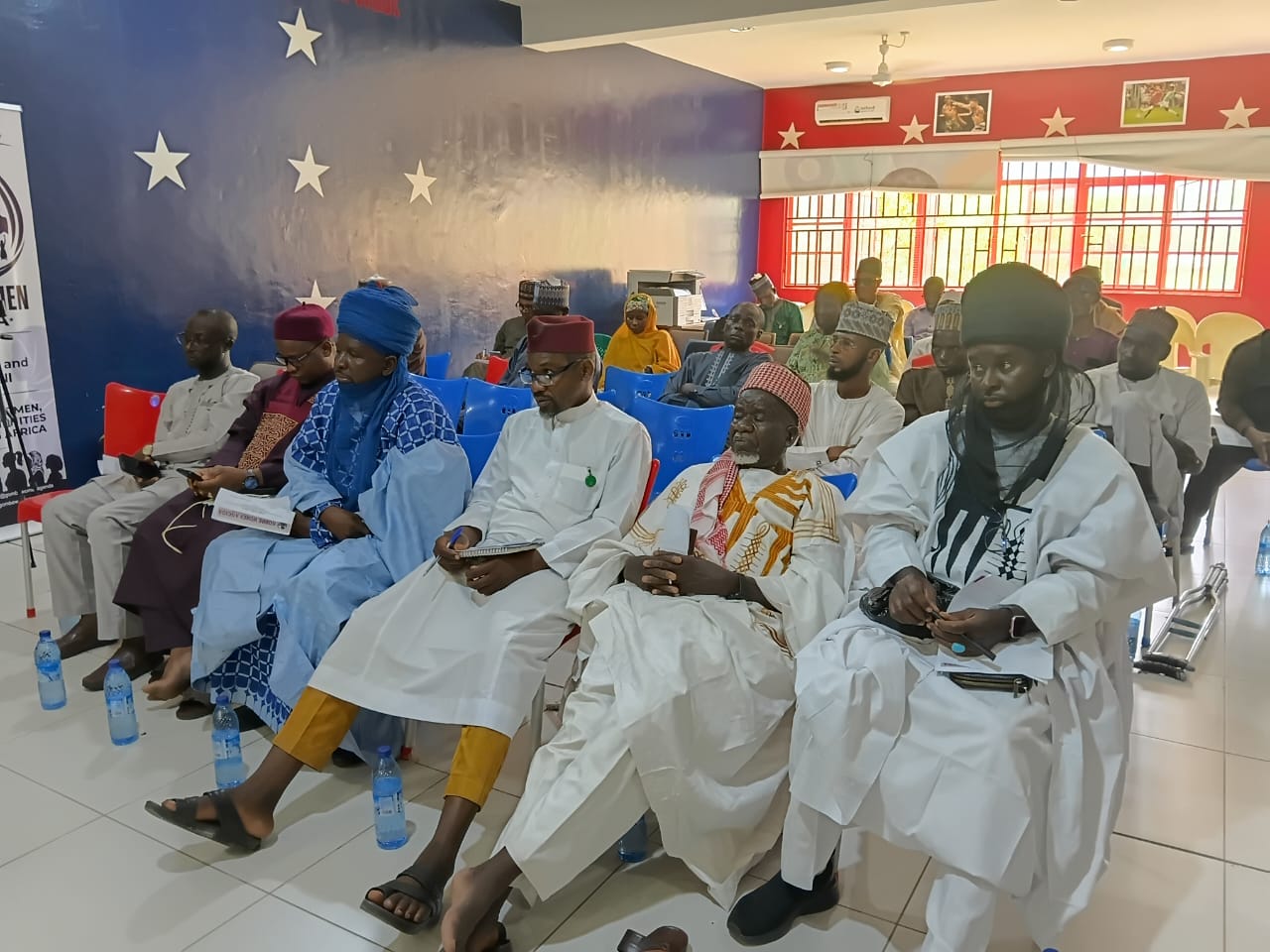
Speaking at a stakeholders’ engagement on the initiative, one of its organisers, Ibrahim Yusuf, said the group was creating a common platform through which women could engage political parties and candidates and demand commitments on issues affecting them.
Yusuf said the involvement of traditional and religious leaders was crucial to the success of the initiative because of their influence at the grassroots.
“We cannot do it alone. We need the buy-in of critical stakeholders, particularly religious and traditional leaders,” he said.
He disclosed that the proposed agenda contained about 20 recommendations covering key areas of concern to women and the girl-child.
According to him, the document had been reviewed by stakeholders from both Islamic and Christian backgrounds to ensure that its demands were consistent with the cultural and religious values of the state.
Yusuf said the final document would be formally launched and made public within the next two to three weeks before being presented to major political aspirants contesting elective positions in the state.
Also speaking, the group’s secretary, Mrs Ruth Abner, said women wanted to move beyond being mobilised merely as voters during elections and become active participants in decision-making and governance.
She identified restrictions by some husbands, insecurity, violence at polling units and inadequate support as some of the factors discouraging women from participating fully in politics.
Abner said the group would embark on grassroots advocacy to encourage women to obtain their permanent voter cards, participate in elections and make informed choices rather than exchanging their votes for short-term material benefits.
She clarified that the initiative was not aimed at demanding that women must occupy political offices, but at ensuring that whoever emerges as a leader pays attention to women’s concerns and implements policies that address them.
“We are not insisting that women must be on the ballot. If we can get a man who will listen to us and solve the problem, we have no problem,” she said.