


By Umar Danladi Ado, Sokoto
The Nigerian Midstream and Downstream Petroleum Regulatory Authority (NMDPRA) has reaffirmed that Nigeria’s downstream petroleum market remains fully deregulated, with the pump price of Premium Motor Spirit (PMS), popularly known as petrol, determined by market forces rather than government directives.
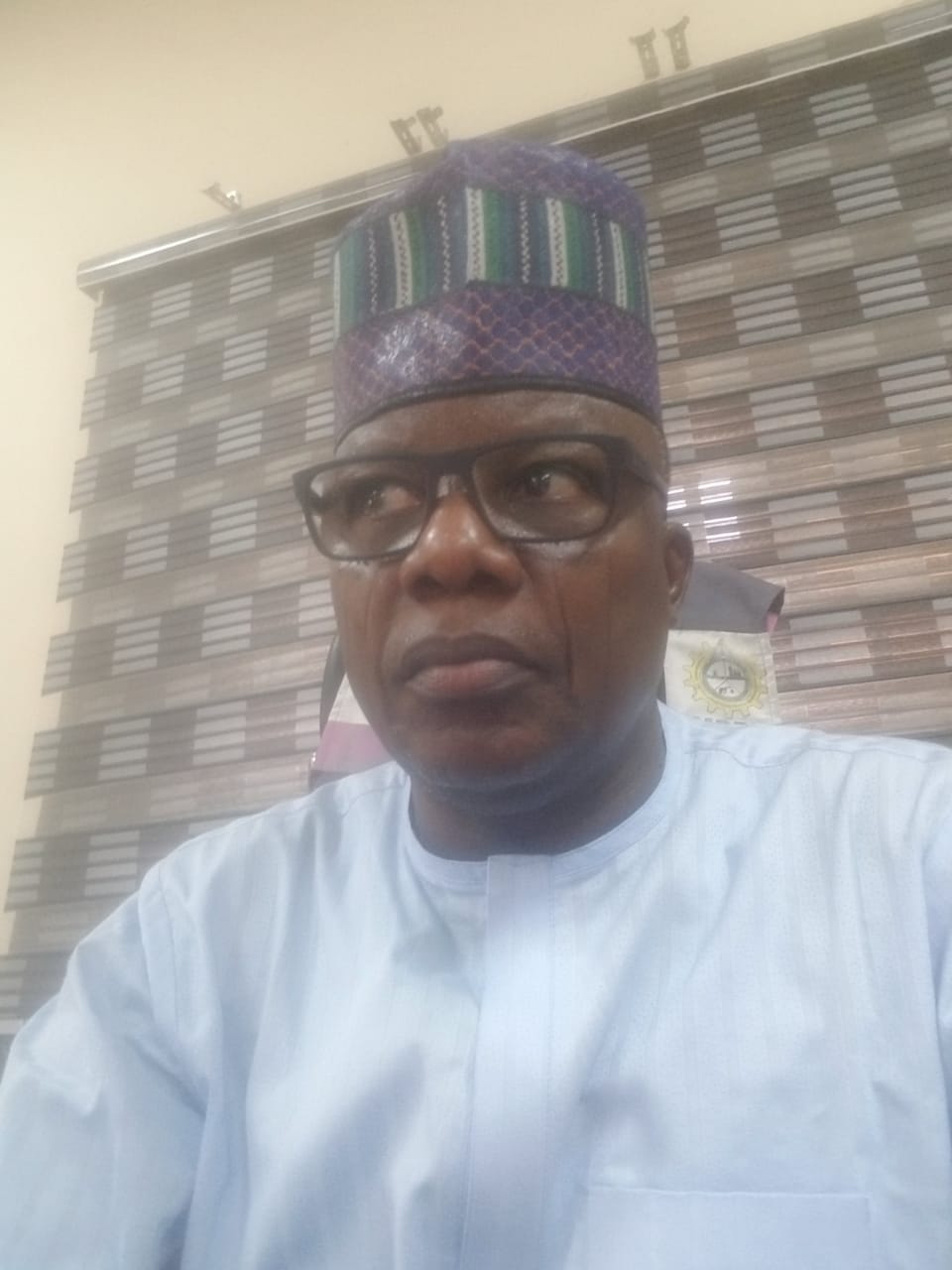
The Sokoto State Coordinator of the NMDPRA, Mr. Ali Ajmi, stated this while speaking with journalists in Sokoto, clarifying that the authority had not received any directive from its headquarters fixing a uniform pump price for petrol across the country.
He explained that under the deregulated regime, petroleum marketers are free to source products independently and determine retail prices based on prevailing economic conditions, transportation costs, supply dynamics and other operational factors.
“As it stands today, the market is deregulated and prices are determined by market forces. Companies are expected to source products and sell according to market realities.
“We have not received any written approval or directive from our headquarters specifying how much marketers should sell petrol,” Ajmi said.
Despite concerns over increasing fuel prices in some parts of the country, Ajmi said Sokoto and neighbouring states remain relatively competitive, noting that petrol currently sells between N1,000 and N1,200 per litre in the area.
He added that the authority has continued to engage petroleum marketers to discourage arbitrary price increases and promote affordability for consumers.
“We are doing very well when compared with some other parts of the country. We are also intensifying engagements with marketers to see how prices can be moderated further in the interest of consumers,” he said.
Ajmi attributed the high cost of petrol in the North-West to logistics challenges, particularly the long distance between coastal fuel depots and inland states such as Sokoto.
According to him, products transported from coastal depots often take up to 10 days to arrive due to poor road conditions and the distance involved, significantly increasing distribution costs.
“Because of the nature of the roads and the distance between Sokoto and the coastal depots, products loaded today may not arrive here until about 10 days later. Therefore, what we monitor today are often products that were loaded more than a week ago,” he explained.
The NMDPRA coordinator said the authority maintains regular consultations with petroleum marketers through inspections and stakeholder engagements aimed at improving product availability and addressing pricing concerns.
“Engagement is not a one-off activity. Whenever we conduct inspections, that is part of the engagement process.
“We also regularly invite marketers and their representatives for discussions on possible ways of improving supply and reducing costs. These engagements are continuous,” he added.
Ajmi also warned filling station operators against under-dispensing fuel or selling substandard petroleum products, stressing that the authority has strengthened surveillance and enforcement measures across the state.
He urged consumers to report any filling station suspected of cheating customers, assuring them that NMDPRA inspection teams are equipped with calibrated measuring devices and fuel quality testing equipment to promptly investigate complaints.
“If consumers discover any station dispensing below the approved quantity or suspect poor product quality, they should immediately alert us.
“We have the equipment, the personnel and the mandate to respond promptly. Our teams operate daily and can even carry out inspections at night when necessary,” he said.
Ajmi further disclosed that the authority is collaborating with the Sokoto State Ministries of Energy, Commerce and Industry, as well as other stakeholders, to strengthen consumer protection, improve regulatory compliance and promote transparency in the downstream petroleum sector.
He described the partnership as essential to enhancing market stability and sustaining public confidence in the deregulated fuel market.