





By Musa Muhammad Kutama, Calabar
Former Governor of Cross River State, Senator Liyel Imoke, has described the governance model of Governor Bassey Edet Otu as one anchored on project completion, continuity of vision, and the sustainable development of the state.
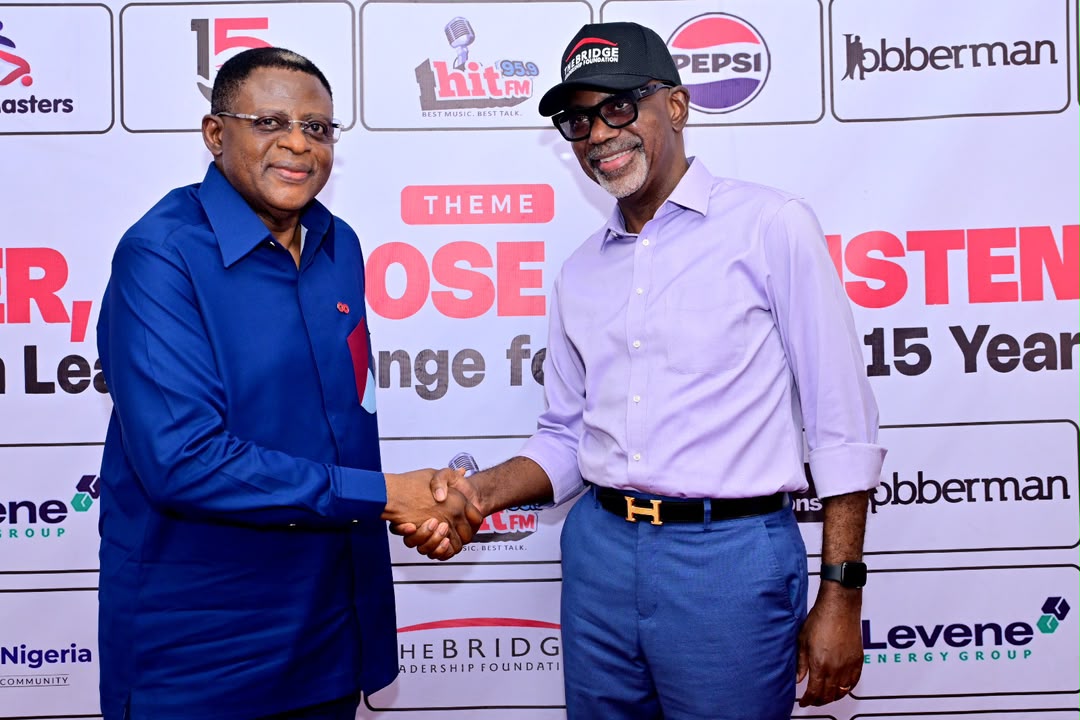
Imoke made the remarks at the 16th Career Day Conference of the Bridge Leadership Foundation, held at the University of Calabar Conference Centre, where Governor Otu was the Special Guest of Honour over the weekend.
The former governor commended Otu for demonstrating a leadership style that prioritises listening, inclusiveness, and service to the people, saying the governor’s presence at the event reflected an administration that identifies with the aspirations of young Cross Riverians.
“Your Excellency, I can’t thank you enough. We have a government that listens and is part of us,” Imoke said, appreciating the governor for taking the time to engage with young people and share in the foundation’s vision.
Imoke further stated that his quiet observation of the Otu administration had revealed a leader driven not by the pursuit of personal legacy, but by the desire to complete projects, preserve public investments, and advance the overall development of Cross River State.
“When you enter Government House, the first thing people will tell you is your legacy. But I have observed, in a very quiet manner, that Prince Otu is not about that.
He is about completion, understanding the vision, and taking that vision to the next level,” he said.
He cited the completion of the Local Government Service Commission Headquarters in Calabar—a project initiated during his administration but abandoned for years—as evidence of Governor Otu’s commitment to continuity and the responsible management of public resources.
According to Imoke, Governor Otu completed the project beyond expectations, demonstrating that government projects should not be abandoned simply because they were initiated by previous administrations.
The former governor also highlighted the Otu administration’s ongoing efforts to complete the Calabar International Conference Centre (CICC), explaining that the facility was conceived as a strategic tourism and conference infrastructure designed to strengthen Cross River’s position as a leading tourism destination.
He noted that several critical components required to make the facility fully operational had not been completed before his administration left office, but expressed satisfaction that the current government was treating the project as a Cross River State asset rather than the property of any particular administration.
“Eleven years later, Governor Otu is not looking at the project as a predecessor’s project. He is looking at it as a Cross River State project—an asset that needs to be completed,” Imoke said.
He stressed that development should transcend political differences, noting that governance should focus on improving the lives of citizens rather than on party affiliations.
“When it comes to development, we can’t be talking about party lines. We are talking about development and the people. The most important people are the people we serve,” he said.
Imoke further praised Governor Otu’s humility, reconciliatory disposition, and commitment to unity, particularly his decision to recognise and honour former governors of the state, describing it as a step that would strengthen collective ownership of Cross River’s future.
“The future of Cross River State, especially for you young people, lies in our collective effort. Our political differences, if they exist, cannot at any point overshadow our focus on the development and growth of our society,” he added.
The former governor also commended Governor Otu’s investment in human capital development, noting that leadership extends beyond infrastructure to empowering young people and preparing future generations.
He thanked the governor for attending the Bridge Leadership Foundation conference, describing him as the first sitting governor of the state to participate in the foundation’s event, and applauded his commitment to initiatives that promote leadership development.


