



By John Bassey, Kebbi
The Kebbi State Government has received strong commendation from development partners, including the World Health Organization (WHO), United Nations Children’s Fund (UNICEF), and United Nations Development Programme (UNDP), for its impactful investments in primary healthcare and sustained efforts toward polio eradication across the state.
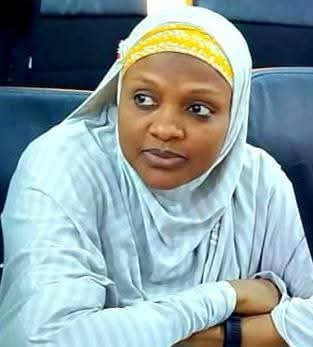
Speaking during a courtesy visit at the State Council Chamber, the UNICEF Country Representative in Nigeria, Wafaa Saeed, expressed deep sympathy over the recent loss of the Speaker of the Kebbi State House of Assembly, offering prayers for divine mercy, strength, and comfort to the government and people of the state.
She commended Governor Nasir Idris for prioritizing human-centered healthcare delivery, citing a personal encounter with an elderly beneficiary of the state-supported health insurance scheme as evidence of the administration’s commitment to restoring dignity and improving the well-being of vulnerable citizens.
The UNICEF representative noted that Kebbi State’s proactive investments in healthcare, social welfare, and workers’ welfare including the implementation of an improved minimum wage and support for widows, reflect a leadership style rooted in compassion and inclusive governance.
On polio eradication, she recalled that Nigeria was declared free of wild poliovirus in 2020, adding that Kebbi now has an opportunity to lead efforts to eliminate vaccine-derived polio through strengthened immunization campaigns, improved coordination at the local government level, and deeper engagement with traditional and religious leaders.
She further emphasized the importance of routine immunization and applauded the state government for absorbing over 500 health workers previously supported by Gavi, the Vaccine Alliance, describing the move as a bold step toward ensuring long-term sustainability in healthcare delivery.
Also speaking, the WHO Country Representative, Dr. Pavel Ursu, commended the Kebbi State Government for its strategic investments across primary, secondary, and tertiary healthcare systems, as well as ongoing efforts to strengthen human resources and health infrastructure.
He noted that improved surveillance systems and data quality in Kebbi have enhanced the state’s capacity to track health outcomes and respond effectively to disease outbreaks, particularly polio, while highlighting the professionalism and dedication of frontline health workers across facilities visited.
In his remarks, the UNDP Northwest Representative, Asharaf Usman, lauded Governor Idris’ leadership in addressing development challenges and disclosed plans to expand UNDP’s peace and security programme to Kebbi State, focusing on livelihoods, governance, and the stabilization of vulnerable communities.
He explained that the programme would involve close collaboration with the state government to design tailored interventions addressing local challenges, including border security concerns and support for displaced populations, while seeking the Governor’s continued guidance and policy direction.
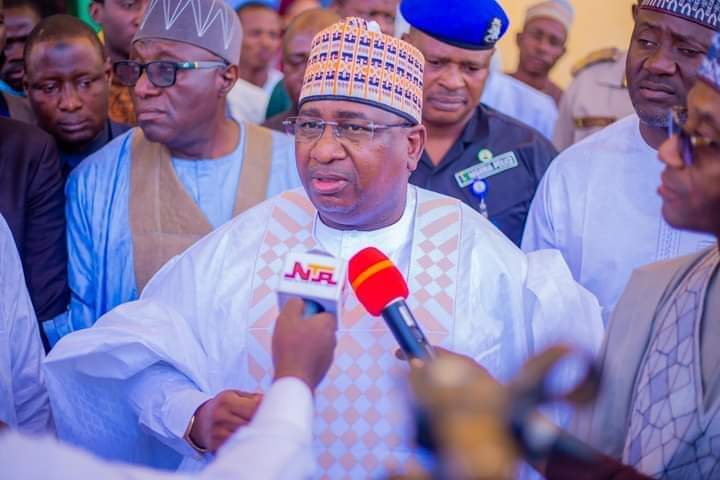
Responding, Governor Nasir Idris reaffirmed his administration’s commitment to strengthening partnerships with international development agencies, noting that such collaborations are critical to addressing challenges in healthcare, education, security, and economic development.
The governor disclosed that his administration has revitalized 22 general hospitals, 179 primary healthcare centres, and 63 dispensaries. He added that 45,000 vulnerable individuals have been enrolled in the state health insurance scheme, alongside additional beneficiaries supported by UNICEF.
He further revealed that over 2,000 health workers have been recruited, alongside ongoing investments in infrastructure, including the approval of N1.7 billion for the revitalization of additional primary healthcare centres and N1.3 billion for the procurement of medical equipment, underscoring the administration’s commitment to accessible and quality healthcare services.
The event also featured the presentation of 45 motorcycles donated by UNICEF to enhance the mobility of healthcare personnel in hard-to-reach areas, as well as a technical briefing on polio vaccination coverage by the Executive Secretary of the State Primary Healthcare Development Agency, Alhaji Abubakar Muhammad Noma.