





By Yusuf Abubakar Ibrahim Anipr
Amid growing insecurity and recurring communal tensions, voices from Northern Nigeria are urging introspection, accountability, and a more balanced national conversation on justice and security.
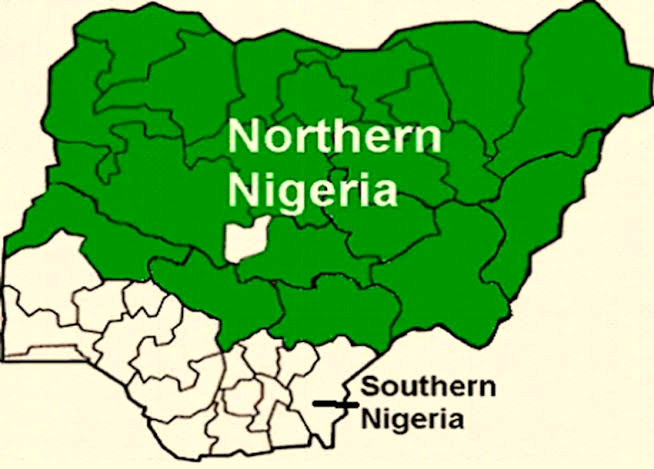
Community leaders, intellectuals, and concerned citizens argue that journalists, elders, and stakeholders in the North must speak openly about what they perceive as targeted violence against Northerners, particularly Muslims in parts of Southern Nigeria. They warn that silence or selective outrage risks deepening mistrust and widening the country’s fragile fault lines.
At the heart of the debate is the allegation that some attacks on Muslims in the South are being justified as reprisals for criminal activities such as kidnapping, banditry, and insurgency—crimes often associated with groups operating in the North, including Boko Haram. Critics insist that criminality should never be framed in religious or regional terms, cautioning that collective blame fuels division and retaliatory violence.
Security agencies have also come under scrutiny. Advocates emphasize that justice must not only be done but must be seen to be done, arguing that ending impunity, regardless of perpetrators’ ethnicity or religion, is crucial to restoring public trust.
The conversation has revived long-standing discussions on Nigeria’s political structure. Some commentators argue that if any group genuinely desires separation, it should be pursued through dialogue and constitutional means rather than violence.
They point to the 1914 amalgamation of Northern and Southern protectorates as a historical precedent for negotiated political arrangements, underscoring that peaceful dialogue remains preferable to bloodshed.
Historical grievances remain central to the discourse. Analysts recall past episodes of sectarian and communal violence, including the Maitatsine riots, the Zangon Kataf crisis, and attacks during Eid prayers in Jos.
For many, these events reflect unresolved tensions and recommendations from investigative panels that were never fully implemented.
During the administration of former President Shehu Shagari, a judicial panel investigated aspects of the Maitatsine crisis, yet debates persist over the extent to which its recommendations were acted upon.
Observers argue that incomplete follow-through has contributed to lingering distrust and conspiracy theories about accountability.
Despite the emotionally charged context, many stakeholders call for restraint and sober reflection. They stress that inflammatory rhetoric or sweeping generalizations about any religious or ethnic group only deepen divisions.
As one commentator said, “If one community has its misguided elements, no community is without its own challenges.” Wrongdoing, they insist, should be treated as individual criminal behavior, not a collective identity.
At the national level, there is renewed demand for the Federal Government to uphold equal protection under the law. Advocates underscore that Nigeria’s strength lies in its diversity and that justice must be blind to tribe, religion, or region.
As insecurity continues to test national unity, one consensus emerges: sustainable peace will require fairness, transparency, and political will to confront both past and present injustices.
In a nation as complex as Nigeria, the path forward may be difficult—but justice remains the common ground on which lasting stability must be built.
Ibrahim writes from Kano


