



From Atiku Sarki, Abuja
The Federal Government has reaffirmed its commitment to strengthening emergency and intensive care services across Nigeria through sustainable healthcare financing, expanded health insurance coverage, improved infrastructure, workforce development, and stronger collaboration among stakeholders.
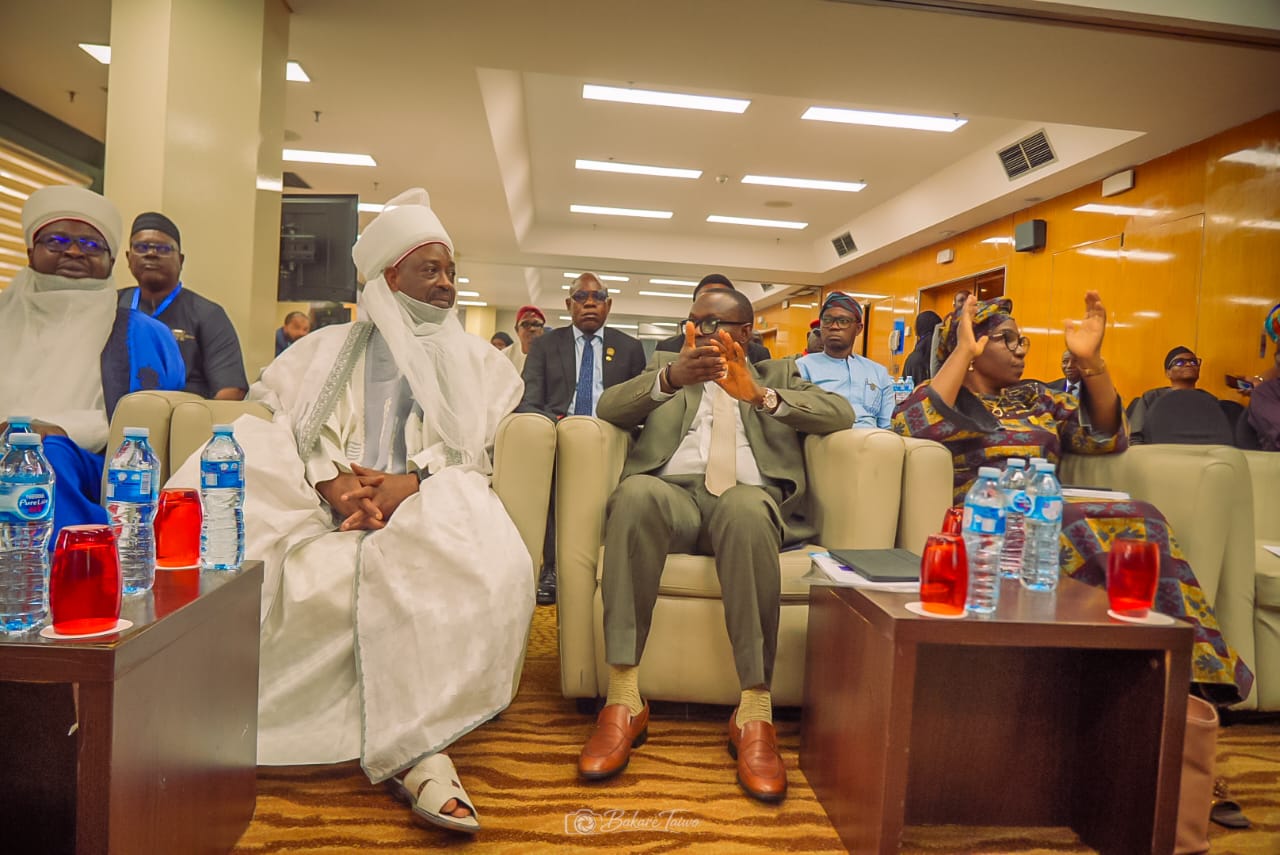
The Minister of State for Health and Social Welfare, Dr. Iziaq Adekunle Salako, made the commitment while declaring open the 11th Annual Scientific Conference and Annual General Meeting of the Intensive and Critical Care Society of Nigeria (I-CCSN) in Abuja. The conference, held on July 8, 2026, was themed “Sustainable Financing for Intensive Care in Public Hospitals in Nigeria.”
According to a statement issued by the Assistant Director of Information and Public Relations at the Federal Ministry of Health and Social Welfare, Ado Bako, the Minister described the conference theme as timely, stressing that sustainable financing remains one of the most critical requirements for strengthening Nigeria’s healthcare system and ensuring that critically ill patients receive quality, life-saving treatment without facing catastrophic financial hardship.
Dr. Salako noted that critical illnesses could result from trauma, infectious diseases, maternal and neonatal complications, surgical emergencies, cardiovascular and neurological conditions, respiratory failure, non-communicable diseases, epidemics, and other public health emergencies, adding that access to quality intensive care often determines whether patients survive.
He said the Federal Government recognizes emergency and critical care as essential components of a resilient, equitable and responsive healthcare system capable of advancing Universal Health Coverage, improving health outcomes and strengthening national health security.
The Minister identified inadequate financing as one of the major challenges confronting intensive care delivery, noting that quality critical care requires significant investment in specialized infrastructure, modern medical equipment, oxygen systems, skilled healthcare professionals, reliable utilities, diagnostic services, biomedical engineering support and effective quality assurance mechanisms.
He expressed concern over Nigeria’s continued dependence on out-of-pocket healthcare payments, saying many families are pushed into financial hardship when confronted with the high cost of critical illness.
Dr. Salako disclosed that the National Emergency Medical Service and Ambulance System (NEMSAS) has expanded from its pilot phase in the Federal Capital Territory to 34 states, with efforts underway to achieve nationwide coverage.
He explained that the Federal Government is also implementing complementary interventions to strengthen maternal and newborn healthcare, expand healthcare financing and improve overall service delivery, adding that these initiatives must be integrated with ambulance services, intensive care units, high dependency units, operating theatres, medical oxygen systems, diagnostic services, rehabilitation services and health insurance schemes.
The Minister called for stronger collaboration among the Federal Government, state governments, healthcare institutions, professional bodies, academic and research institutions, development partners, the private sector and civil society organisations to build a sustainable critical care system.
He commended the Intensive and Critical Care Society of Nigeria for its contributions to advancing critical care practice, research, policy development, professional education, patient safety and quality improvement, describing professional associations as vital partners in supporting government through technical expertise, policy advocacy, standard setting and research.
Dr. Salako also stressed the need for deliberate investment in healthcare workforce development by increasing the number of physicians trained in intensive care medicine, critical care nurses, physiotherapists, pharmacists, biomedical engineers, technicians and other specialists through expanded training programmes, fellowships and continuous professional development.
He reaffirmed the government’s commitment to strengthening medical oxygen systems, recalling lessons from the COVID-19 pandemic, and noted that Pressure Swing Adsorption (PSA) oxygen plants have already been installed in several health facilities nationwide.
The Minister further advocated stronger referral systems, regional critical care networks, digital health technologies, tele-critical care services and improved health information systems to reduce inequalities in access to quality critical care.
Recognising the important role of private healthcare providers, Dr. Salako urged greater public-private collaboration, stressing that both the public and private sectors serve the same Nigerian population and must work together to improve healthcare delivery.
He challenged participants at the conference to develop practical and innovative recommendations on sustainable financing, financial risk protection for patients, workforce expansion, equipment maintenance, medical oxygen systems, referral networks and strategic partnerships, assuring them that the Ministry would consider implementing actionable recommendations from the conference.
Earlier, Chairman of the Local Organising Committee, Dr. Harrison Nwogu, said the conference would examine the root causes of chronic underfunding of intensive care units and explore innovative financing options, including public-private partnerships, health insurance integration and diaspora investment.
Chairman of the occasion and Chief Medical Director of Zenith Medical and Kidney Centre, Abuja, Dr. Olalekan Olutesi, observed that healthcare delivery is not solely the responsibility of government anywhere in the world.
He called on wealthy Nigerians to invest in the health sector and urged government to introduce tax incentives to encourage private investment.
In his keynote address, Professor Daprim Samuel Tamuno-Ojuemi Ogaji said the conference would explore sustainable financing models that guarantee access to intensive care without financial barriers for patients.
He identified poor infrastructure, inadequate medical equipment, shortages of consumables and unreliable electricity supply as some of the major challenges affecting intensive and critical care services, stressing the need for stable power to ensure proper maintenance and effective utilisation of available medical equipment.
Representing the Emir of Tula, His Royal Highness Dr. Abubakar Buba, the Emir of Wase, His Royal Highness Alhaji Dr. Muhammadu Sambo Haruna, commended the Intensive and Critical Care Society of Nigeria for organising the conference.
He described the event as a vital platform for addressing issues that transcend medicine, noting that access to quality intensive care is a matter of humanity, equity and national development that affects every family and community across the country.