




From Umar Danladi Ado, Sokoto
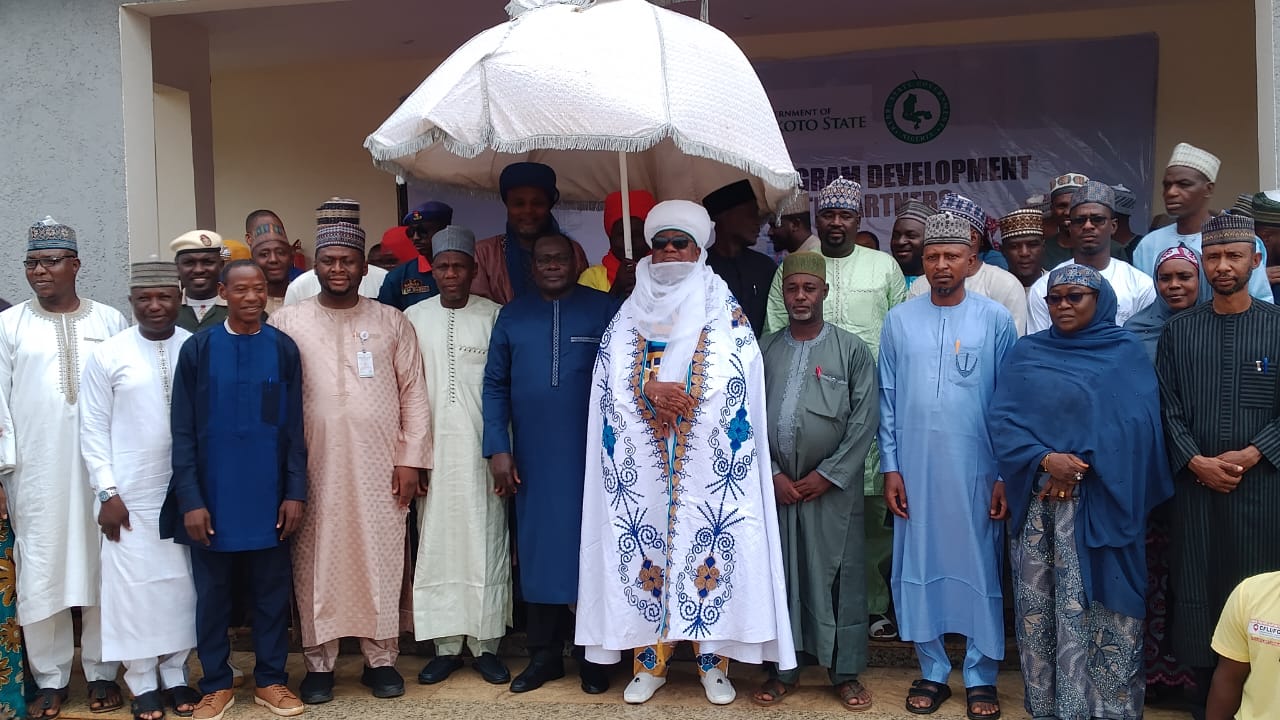
The United Nations Children’s Fund (UNICEF) and stakeholders from Sokoto, Kebbi, and Zamfara States have reviewed progress made under the 2026 programme and finalized a draft Country Programme Document (CPD) for 2028–2032, with a strong focus on improving outcomes for women and children.
Speaking at a two-day review meeting in Sokoto, UNICEF Chief Field Officer, Michael Juma, said the objective was to assess achievements and challenges recorded over the past 3.5 years and develop evidence-based, high-impact, child-centred interventions for the next programme cycle.
He urged ministries across the three states to identify four to five critical priorities in key sectors such as health and education, stressing the need for alignment with state development plans to ensure scalability, quality, and sustainability of interventions.
Juma also emphasized the importance of strengthening the linkage between development and humanitarian responses, particularly in addressing emergencies and child deprivation issues across the region.
He further called on Permanent Secretaries to lead efforts in defining strategic, data-driven priorities that would improve outcomes for women and children, noting that such priorities would enhance resource mobilization and programme effectiveness.
The UNICEF Chief Field Officer commended the governments of Sokoto, Kebbi, and Zamfara for providing an enabling environment for constructive engagement, which he said had helped in identifying both progress and persistent bottlenecks.
Chairing the occasion, the Emir of Anka and Chairman of the Zamfara State Council of Traditional Rulers, Alhaji Attahiru Muhammad, praised UNICEF’s 32 years of intervention in Nigeria and called for deeper collaboration with traditional institutions, particularly on issues of displacement and out-of-school children.
Sokoto State Permanent Secretary, Buhari Umar, advocated for localized, data-driven interventions and stressed accountability to the state’s 6.7 million residents.
He urged stakeholders to analyze data critically and develop strategic responses tailored to local needs.
Similarly, Kebbi State Permanent Secretary, Barrister Kudirat Shuaibu, described the meeting theme—shifting from evidence to strategic prioritization—as timely, noting that stronger collaboration is needed to improve development outcomes.
Stakeholders collectively agreed on the need for evidence-based planning, stronger coordination, and alignment with state development priorities in shaping UNICEF’s 2028–2032 programme for the three states.