



By Umar Danladi Ado, Sokoto
The Sokoto State Government has called on the United Nations Children’s Fund (UNICEF) to provide additional support for the development of healthcare and educational infrastructure across the state, particularly in communities affected by insecurity.
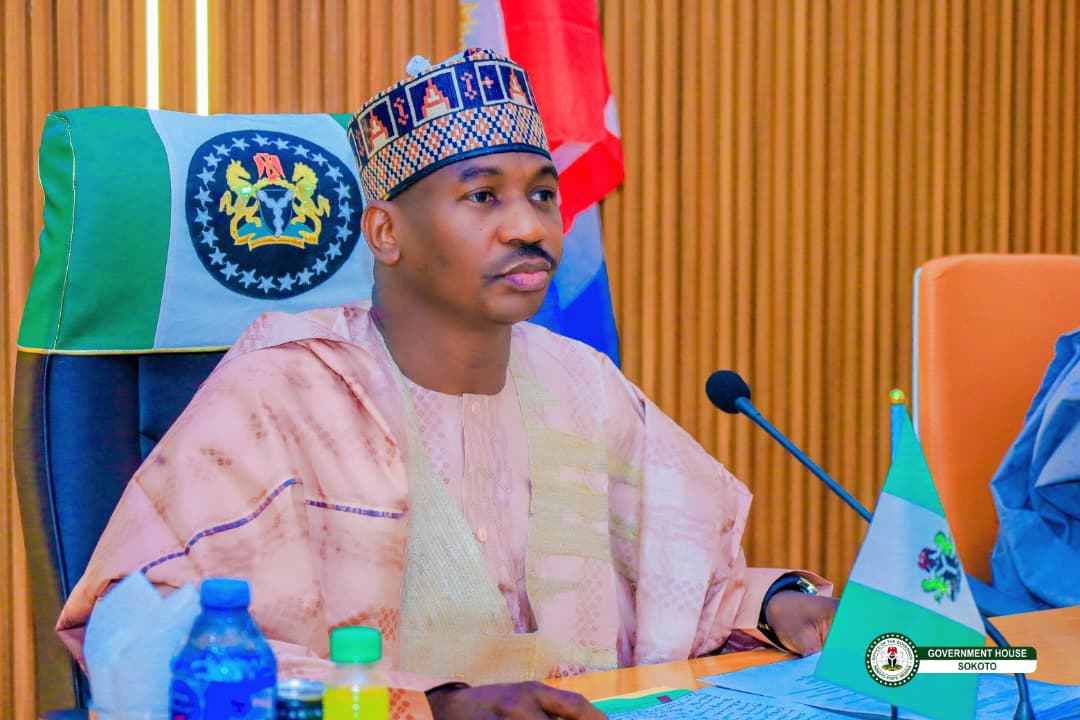
Governor Ahmed Aliyu made the appeal while receiving the Executive Director of UNICEF, Ms. Catherine Russell, during a courtesy visit to the Government House in Sokoto.
Aliyu said his administration has prioritised the welfare of women and children through free healthcare services, the renovation of health facilities, and the provision of a conducive learning environment in schools.
He disclosed that the state government has recruited more than 1,500 nurses and midwives, as well as 2,440 Community Health Extension Workers (CHEWs), to strengthen healthcare delivery, particularly in rural communities.
The governor added that the administration has also expanded access to potable water through the completion of major water schemes and the drilling of boreholes across the state.
Represented by his deputy, Alhaji Idris Mohammed Gobir, Aliyu commended UNICEF and other development partners, including Plan International and Save the Children, for their sustained support in improving healthcare and education in Sokoto State.
He noted that, in collaboration with UNICEF, the state established Integrated Qur’anic Schools, child-friendly centres, skills acquisition centres for Almajiri and out-of-school children, as well as ICT training facilities aimed at reducing the number of out-of-school children and promoting self-reliance among beneficiaries.
He also acknowledged UNICEF’s technical and financial support under the European Union-funded SARA Programme and its partnership with the United Nations Population Fund (UNFPA), describing the interventions as instrumental in reducing maternal and child mortality and strengthening the state’s healthcare system.
The governor explained that insecurity and banditry have damaged several schools and healthcare facilities in parts of the state, stressing the need for greater support to rebuild the affected infrastructure and improve access to essential services.
He reaffirmed his administration’s commitment to strengthening its partnership with UNICEF and other development partners to promote the rights and well-being of children and women in Sokoto State.
Earlier, the Executive Director of UNICEF, Ms. Catherine Russell, commended the Sokoto State Government for its commitment to improving child health, education, and community development.
She described her visits to Rumbukawa and the Digital Village as inspiring, saying the facilities demonstrated what could be achieved through strong leadership, effective partnerships, and community commitment.
The UNICEF Executive Director said she met dedicated health workers, teachers, local government officials, and mothers who are committed to giving their children the best possible start in life.
She added that she was impressed by the curiosity, creativity, and ambition displayed by children and young people, noting that investing in them is the best investment in the future.
Russell recalled that before arriving in Sokoto, she had met with Nigeria’s Vice President, the First Lady, members of the diplomatic community, private sector leaders, and young Nigerians. She said that although the country’s children face significant challenges, their resilience, talent, and innovation offer hope for a brighter future.
She noted that the determination she witnessed in Sokoto had been translated into practical action, stressing that decisions made today for the welfare of children would shape Nigeria’s future for decades to come.
The UNICEF Executive Director reaffirmed the organisation’s commitment to working closely with the Federal Government, the Sokoto State Government, development partners, and local communities to ensure that every child survives, thrives, learns, and reaches his or her full potential.