





By Christiana Gokyon, Jos
The administration of Governor Caleb Manasseh Mutfwang has taken a significant step toward industrialising Plateau State and addressing its longstanding energy challenges with the presentation of the official feasibility study report for the proposed 2.4-megawatt Small Hydro Power Project at Assop Falls.
The report was presented by the United Nations Industrial Development Organization on Tuesday at the New Government House, Little Rayfield, Jos, in the presence of Governor Mutfwang, Deputy Governor Ngo Josephine Piyo, and other senior government officials.
The presentation marks a key milestone in the state’s drive to reposition Plateau as a hub for sustainable energy, industrial growth, and economic transformation.
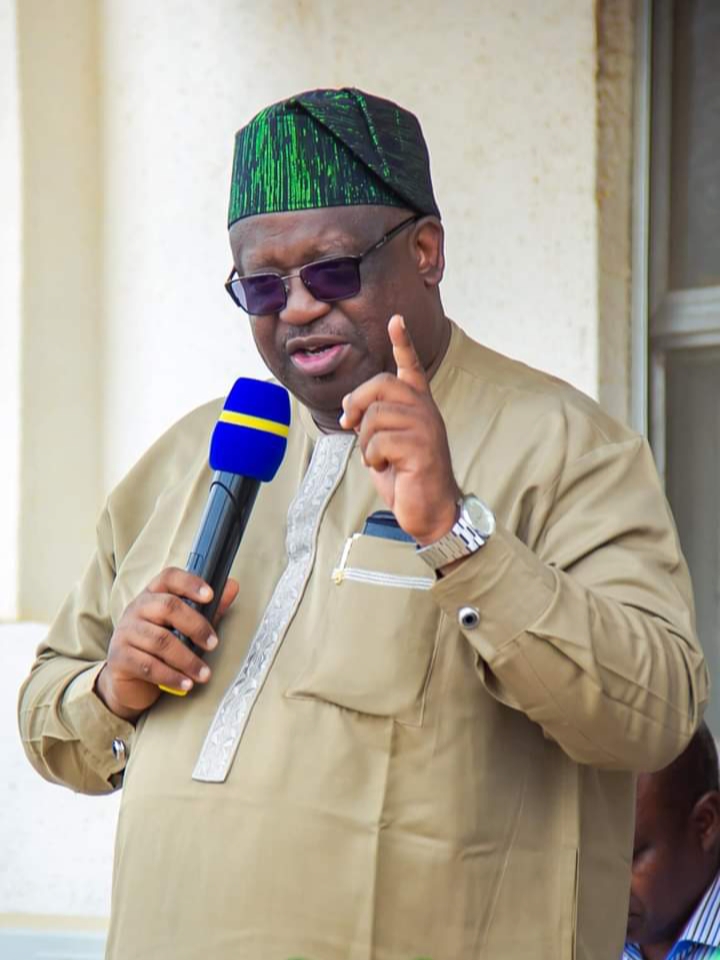
Speaking at the event, Governor Mutfwang described the project as a strategic intervention capable of improving electricity supply for industries, agro-processing, and other productive enterprises.
He disclosed that the Plateau State Government has already committed over N1.5 billion to the initiative, while UNIDO has pledged an additional support of about $2 million. The total project cost is estimated at $6 million.
According to him, the hydro project goes beyond electricity generation, representing a broader vision to make Plateau State a net energy producer and supplier in the region.
“Generating 2.4 megawatts of electricity is no small achievement. It can power industries and stimulate economic growth,” the Governor said, adding that ongoing reforms in the electricity sector have created new opportunities for state-level investment.
He further noted ongoing institutional reforms in the energy sector, including efforts to strengthen the Plateau State Electricity Regulatory Commission and the Plateau State Energy Corporation to enhance regulation, innovation, and private sector participation.
Governor Mutfwang also revealed that discussions are ongoing with investors interested in establishing solar panel manufacturing plants in the state, alongside plans to revive the historic NESCO power facility, which he said could generate up to 30 megawatts if fully restored.
He explained that the combination of hydro and solar energy projects is aimed at ending persistent power shortages, accelerating industrialisation, and expanding economic opportunities across the state and neighbouring regions.
The Governor directed relevant agencies to immediately engage UNIDO on six priority areas of collaboration, including energy, agriculture, industrial development, environmental sustainability, and value-chain expansion, assuring swift implementation.
Earlier, the UNIDO Country Representative, Albert Abaka Johnson, commended Governor Mutfwang’s leadership in security, infrastructure development, and inclusive industrialisation.
He noted that the project aligns with Sustainable Development Goal 9 and expressed optimism that, with support from the European Union, the hydro project could be completed within 24 months once implementation begins.


