





By Sani Surajo Abubakar
Access to decent and affordable housing remains one of the most pressing development challenges in rapidly growing urban centres across Nigeria. In Kano State, a major commercial hub in Northern Nigeria, housing demand has long outpaced supply, leaving thousands of families grappling with overcrowding, informal settlements, and rising rental costs.
Globally, access to adequate and affordable housing remains a critical challenge, particularly in rapidly urbanising regions of the Global Souuth. While there is no universally standardised ranking of cities by housing deficit, comparative data and urban development indicators clearly position Kano among the most housing-pressured cities in Africa.
Within Nigeria, the most populous country on the continent, Kano stands out as one of the states with the highest levels of housing inadequacy. National estimates suggest that the country faces a housing deficit running into millions of units, with Kano contributing a substantial share. In urban Kano alone, the deficit is estimated in the millions, with a significant proportion of residents living in overcrowded or substandard conditions.
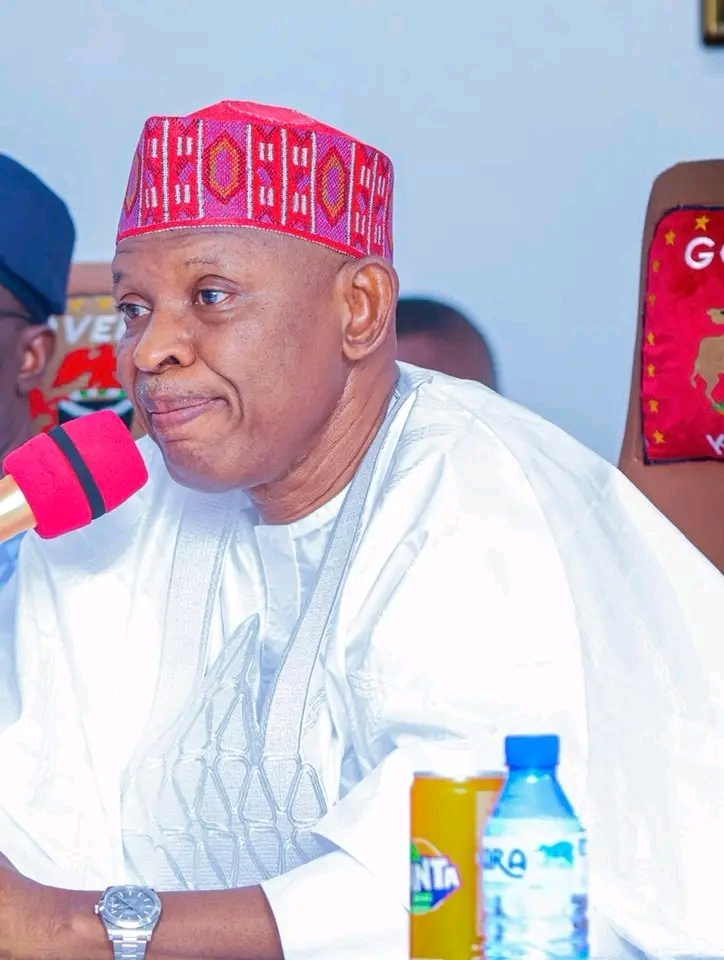
It is against this backdrop that Governor Abba Kabir Yusuf has introduced the Gida-Gida Housing Project, a bold and strategic intervention aimed at reshaping the housing landscape and restoring dignity to both urban and rural living.
At its 38th sitting, held on Thursday, 12 March 2026, at the Council Chamber of the Government House, the Kano State Executive Council approved a multi-billion-naira housing development known as the Gida-Gida Mega City Project, located at Rijiyar Gwan-Gwan in Dawakin Kudu Local Government Area.
Addressing a press conference, the Commissioner for Housing Development, Architect Ibrahim Yakubu Adamu, explained that the project is designed to decongest Kano metropolis and support the state’s physical expansion.
He noted that the initiative was conceived in response to the massive population influx into Kano, which has placed significant pressure on public infrastructure.
He further explained that the Gida-Gida Mega City forms part of the state government’s broader efforts to address the growing housing deficit driven by rapid population growth and urbanisation.
The project is planned as a modern, fully serviced residential city. Each housing unit will be fenced and gated, while the entire estate will also be secured. The development spans approximately 178 hectares and will be enclosed by about six kilometres of perimeter fencing, with gatehouses at the two main entry points.
According to project guidelines from the Ministry of Housing Development, the development, valued at over ₦113 billion will feature 480 housing units of various designs, including: 130 three-bedroom detached duplexes; 150 four-bedroom terrace houses; 100 four-bedroom duplexes and 100 five-bedroom duplexes respectively.
Beyond housing units, the project incorporates essential infrastructure and public facilities to ensure livability and sustainability, an improvement on earlier developments such as Kwankwasiyya, Amana, and Bandirawo.
Infrastructure provisions include road networks, drainage systems, and pedestrian walkways. Electrical installations will cover street lighting, connection to the national grid, and transformers. Mechanical services will include pipe-borne water, sewage systems, and septic facilities.
Public amenities will include a Jumu’at mosque and Eid ground, Islamiyya school, standard primary and secondary schools, a hospital, parks and gardens, and both indoor and outdoor recreational facilities.
Additional facilities will include a cemetery, gas refilling plant, ultra-modern shopping complex, fire service station, and police station to ensure the safety and well-being of residents.
Strategically located within Kano’s urban expansion corridor, the project is expected to support orderly urban development, stimulate economic activity, and improve access to decent housing.
Project Significance
The Gida-Gida initiative represents a deliberate policy response to Kano’s growing housing deficit. With the state’s population expanding rapidly, pressure on existing housing infrastructure, especially in metropolitan areas—has intensified. In response, the administration of Governor Abba Kabir Yusuf has prioritised housing as a cornerstone of its urban renewal and social development agenda.
This initiative goes beyond constructing buildings; it seeks to create structured, sustainable communities that address longstanding urban planning challenges.
For modern design and inclusive living, the Gida-Gida Mega City is envisioned as a modern residential hub offering a mix of housing types tailored to different income groups. Designs include duplexes, terrace houses, and other unit types, ensuring flexibility and inclusivity.
This integrated approach positions the development as more than a housing estate, it is a holistic urban ecosystem designed to enhance quality of life.
Affordable Housing for All
At the heart of the project is a strong social objective: making homeownership accessible to ordinary citizens. The initiative targets low- and middle-income earners, including civil servants, traders, artisans, and young families who are often priced out of conventional housing markets.
By prioritising affordability, the government aims to bridge the gap between income levels and housing costs, aligning with global best practices that recognise housing as a basic human need rather than a luxury.
Expanding Development Beyond the City
A defining feature of the administration’s housing policy is its inclusive geographic scope. In addition to the mega city, plans are underway to construct 50 low-cost housing estates across the 36 local government areas of Kano State.
This approach: decentralises development from congested urban centres; promotes balanced regional growth; brings infrastructure closer to underserved communities and it represents a shift away from the traditional urban bias in housing development.
Economic Impact and Job Creation
Large-scale housing projects like Gida-Gida serve as major economic drivers. The construction phase alone generates employment for a wide range of professionals and artisans, including engineers, architects, bricklayers, carpenters, electricians, plumbers, suppliers, and transport workers.
The economic impact extends further, benefiting local businesses such as food vendors, traders, and service providers, thereby stimulating broader community growth.
Urban Renewal and Infrastructure Development
The project also forms a key component of Kano’s broader urban renewal strategy. Through planned housing development, the government aims to: reducing the spread of informal settlements; decongest overcrowded neighbourhoods; mprove sanitation and public health and enhance urban aesthetics. These efforts contribute to a more organised, sustainable city structure.
Social Stability and Balanced Growth
Access to decent housing is closely linked to social stability. By expanding housing into rural and peri-urban areas, the initiative is expected to: strengthen local communities; retain youth populations; reduce rural–urban migration and ease urban congestion and unemployment. Thus, this balanced approach supports long-term, inclusive development.
A People-Centred Vision
What distinguishes the Gida-Gida Housing Project is its people-centred philosophy. Governor Abba Kabir Yusuf has consistently prioritised policies that directly improve citizens’ welfare, with housing at the core of that vision. The initiative reflects a commitment to: human dignity; social equity; economic empowerment and long-term sustainability
Conclusively, the Gida-Gida Housing Project is more than an infrastructure programme; it is a transformative initiative aimed at redefining housing delivery in Kano State. By combining affordability, inclusivity, and strategic planning, the government is laying the foundation for a future where every citizen has access to decent shelter.
As construction progresses and new communities emerge, the project’s true impact will be measured not only by the number of houses built, but by the lives improved, dignity restored, and opportunities created.
In essence, Gida-Gida is not just about housing, it is about hope, stability, and a more equitable future for Kano State.
Sani Surajo Abubakar
Deputy Director, Public Enlightenment
Kano Government House


