





From Rabiu Sanusi
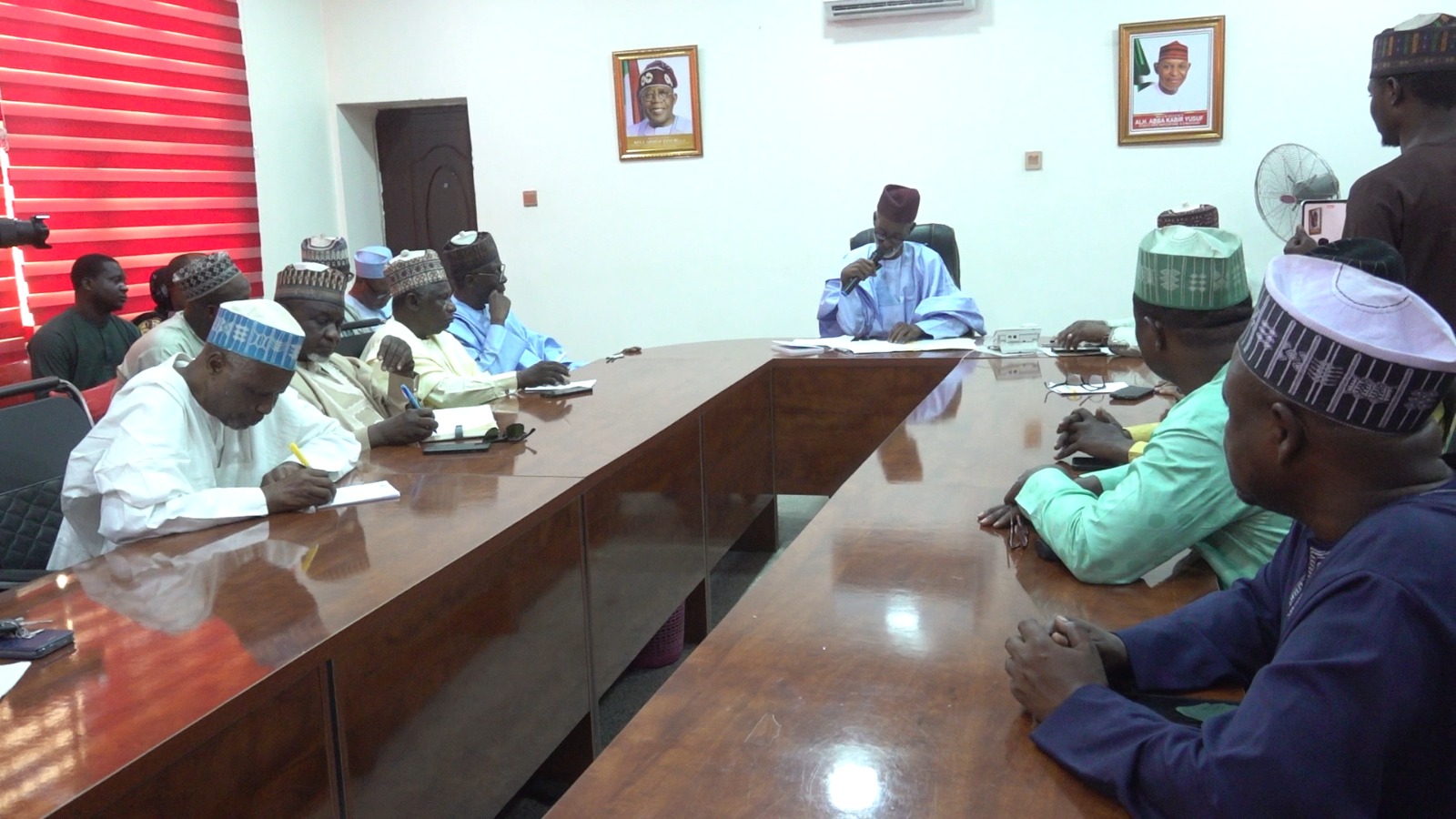
The Kano State Government has inaugurated a Media and Information Policy Committee as part of renewed efforts to promote transparency, accountability and stronger collaboration between government institutions and the media.
The committee was inaugurated by the Secretary to the State Government, Umar Faruq Ibrahim, who said the initiative underscores the administration’l commitment to improving governance through effective communication and clear policy direction.
He said the government carefully selected seasoned information managers and professionals to serve on the committee with the responsibility of drafting a comprehensive Media and Information Policy for the state.
According to him, the move forms part of the administration’s wider agenda of equipping all sectors with sound policies that will guide operations, strengthen coordination and improve service delivery.
Umar Faruq explained that the committee terms of reference include reviewing transition committee reports, developing a robust policy framework, convening stakeholders’ consultations and producing a comprehensive policy document for the media and information sector.
He added that the committee would also engage relevant government agencies, media practitioners and civil society organisations to ensure broad participation and successful execution of its mandate.
Speaking shortly after the inauguration, the Commissioner for Information and Internal Affairs, Ibrahim Abdullahi Waiya, who chairs the committee, described the development as timely and strategic.
He said findings had revealed major gaps in the media and information sector, noting that several critical policies guiding the sector had yet to be formally established or approved.
According to the commissioner, the absence of clear frameworks has limited effective engagement within the information ecosystem, making it necessary for Kano State to establish a well-defined policy to regulate and strengthen government-media relations.
He said although some states had already developed similar frameworks, Kano was determined to adopt global best practices that would enhance professionalism, accountability and transparency.
Waiya added that the state has maintained cordial relations with journalists and media organisations over the years, stressing that the new policy would further consolidate and institutionalise that partnership.
He noted that the committee was deliberately constituted to reflect inclusiveness, with membership drawn from media practitioners, veteran information managers, academics and other critical stakeholders.
According to him, this broad representation would ensure that diverse ideas, technical expertise and professional experience are harnessed in producing a practical and implementable policy document.
The commissioner expressed confidence that the committee would deliver a framework capable of guiding government engagement with the media while also supporting the growth and development of media and information institutions across the state.
He assured that members would work diligently to justify the confidence reposed in them by the government.
Other members of the committee include Mohammed Danyaro as Co-Chairman, alongside Ahmad Aminu, Mohammad Garba, Sunusi Bature Dawakin Tofa, Mukhtari Magaji, Ado Saidu Warawa, Salisu Ibrahim Fagge, Abubakar Shehu Minjibir, Halima Kamilu, Aishatu Sule, Hassan Ya’u, Sulaiman Abdullahi Dederi and Bello Danmaisoro.
Sani Abba Yola will serve as Secretary, while Auwalu Sa’idu Mu’azu, Saminu Umar Rijiyar Zaki and Aliyu Muhammad Sani will serve as Co-Secretaries.


