



From Atiku Sarki, Abuja
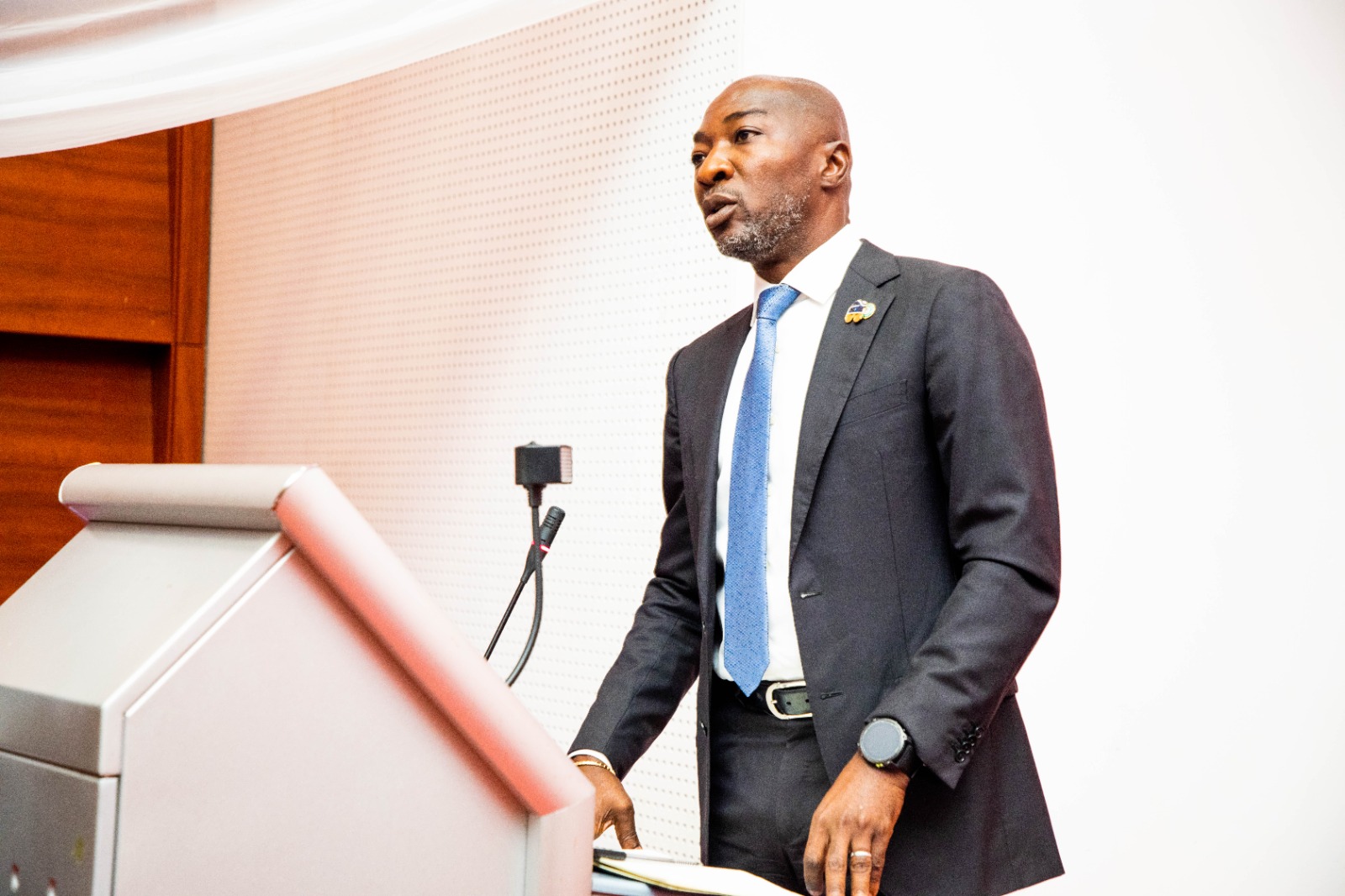
The Managing Director of the Nigeria Social Insurance Trust Fund (NSITF), Barr. Oluwaseun Faleye, has said that issues surrounding the impact of Artificial Intelligence (AI), especially as they relate to platform workers and the gig economy, are receiving priority attention from the Fund.
In a statement issued by the Fund in Abuja, Faleye stated this while responding to questions following the presentation of the Minister of Labour and Employment, Dr. Muhammad Maigari Dingyadi, at the General Assembly of the 114th Session of the International Labour Conference in Geneva, Switzerland.
The minister, in his presentation, called for inclusive and human-centred artificial intelligence (AI) policies that protect jobs and workers’ rights while harnessing the transformative potential of technology to drive economic growth and decent work.
Commending the Minister’s presentation in an interview, Barr. Faleye said: “I think it is a very robust response, particularly as it addresses emerging issues in the workplace generally. You will recall that some of the key issues we have been dealing with within the labour ecosystem have been the treatment of platform workers, the gig economy, and, of course, the impact of AI on labour and workers generally.
“It is important that we recognise that AI is here to stay. The more governments and institutions like ours understand the implications of AI on workers and the workplace, the better we are able to engage with relevant solutions. I am glad that the Minister touched on that.
“Importantly, we also need to look at the treatment of platform workers and the gig economy, to better understand how to provide adequate support and what is required to integrate them.
“Traditionally, labour has been defined within the context of the formal workplace economy. However, recent innovations now mean people work from home or through platforms like Uber and Bolt.
There is a need to properly define and measure their role and impact, and for us at NSITF to understand how best to situate our mandate within these new work realities. I am glad the ministry responsible for labour policy is at the forefront of this,” he explained.
Speaking further on plans to engage workers generally classified as independent contractors rather than formal employees, the Managing Director said:
“The core issue is really defining what constitutes a workplace within the platform workers’ ecosystem. It is also about designing how best to engage them in terms of contributions and how to provide compensation in cases of workplace injury.
“We are grappling with the question: within our system, when does an injury occur, and where is the workplace for platform workers? Particularly for those working from home, at what point can we determine whether an injury is work-related or otherwise?
“I think engaging relevant stakeholders to discuss this—such as this conference provides—is a step in the right direction, and we are glad to be part of that discussion.”
Faleye commended President Bola Ahmed Tinubu for creating the Ministry of Communications, Innovation and Digital Economy, saying Nigeria cannot be left behind in digital innovation driving global business and workplace transformation.
He noted that the civil service is increasingly integrating artificial intelligence to improve service delivery and expressed optimism that this will continue to improve.