


By Hussaini Ibrahim
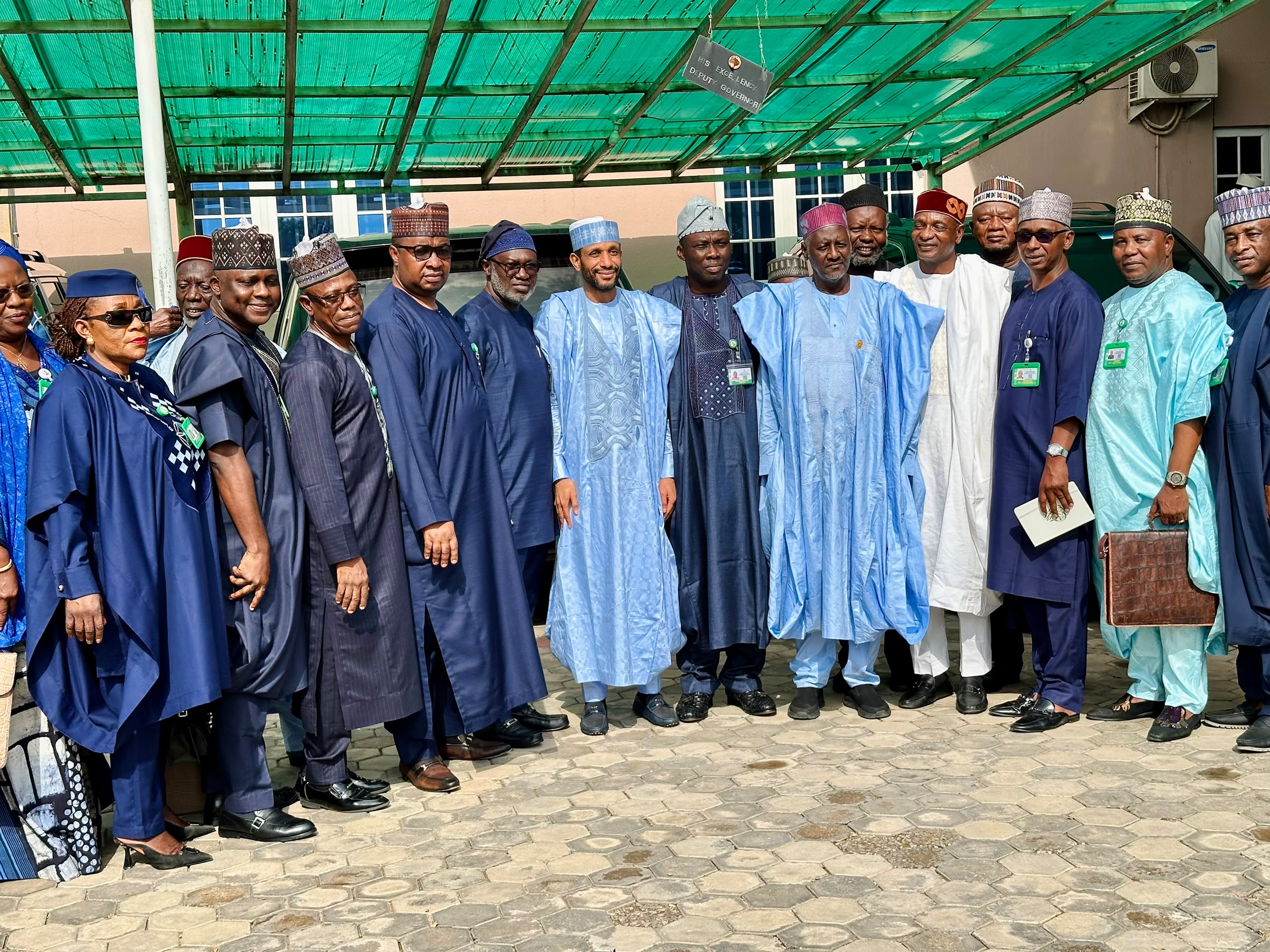
Kano State Deputy Governor, Alhaji Murtala Sule Garo, has described participants of the National Institute for Policy and Strategic Studies Senior Executive Course 48, 2026, as critical to Nigeria’s public policy and leadership landscape.
Garo, who represented Governor Abba Kabir Yusuf while receiving the NIPSS delegation in Kano on Monday, said the participants’ responsibilities extended beyond academic knowledge to examining national challenges and developing practical solutions that could influence government policies.
He said, “Your role goes beyond academic knowledge. You are expected to examine national challenges, develop practical ideas and contribute to policies that can make a difference in Nigeria.”
The Deputy Governor said the theme of the study tour, “Economic Diversification and National Development: Leveraging the Orange Economy and Entrepreneurship for Sustainable Growth in Nigeria,” was particularly relevant to efforts to broaden the country’s economic base and create opportunities for its growing youth population.
Garo said Kano’s rich cultural heritage offered significant opportunities for the development of the Orange Economy, citing traditional crafts, leather works, textile production, fashion, Hausa literature, film, performing arts, cultural festivals and historical sites as areas capable of generating employment, tourism, investment and export opportunities.
“In Kano, culture is not only something to preserve; it is also a resource that can contribute directly to economic development,” the Deputy Governor said.
He stressed that the state government was working to transform Kano’s cultural endowments into commercially viable enterprises while preserving the state’s identity and values.
Garo said the government had continued to support micro, small and medium enterprises through initiatives covering skills acquisition, access to finance, business development services, innovation and market access.
According to him, the measures were aimed at encouraging young people to become job creators rather than job seekers.
“We want our young people to see entrepreneurship not only as an alternative to employment, but as a pathway to creating jobs, building businesses and contributing to economic growth,” Garo said.
The Deputy Governor called for stronger collaboration among government, financial institutions, private investors, development partners, universities, research institutions, traditional institutions and entrepreneurs.
He said such collaboration would help young people transform innovative ideas into viable enterprises and strengthen the contribution of the creative sector to the economy.
Garo further urged the participants to examine how agriculture, industry, commerce, technology and the creative economy could complement one another.
“Nigeria has the resources, talent, creativity and entrepreneurial spirit required to build a stronger and more diversified economy. What is needed is the right policy environment, investment and collaboration to unlock these opportunities,” he added.
Speaking earlier, Brigadier General L.A. Jimoh (retd.), mni, a member of the Directing Staff and leader of the delegation, said Kano was considered critical to the study because of its rich arts and culture, vast human resources, technology, industry and talent.
Jimoh said these assets had a direct relationship with the Orange Economy and entrepreneurship for sustainable development in Nigeria.
He said the delegation was in Kano to interact with government agencies and other relevant stakeholders involved in the Orange Economy and entrepreneurship, particularly in areas such as carnival, film, leather, tourism and other natural and cultural assets.
“We are not here to investigate Kano State. It’s not an investigative panel. We are just here to collect information as Nigerians, information that will help Mr. President to develop the Orange Economy,” Jimoh said.
He explained that the information gathered during the study tour would enable the delegation to enrich its draft report, which would be submitted to President Bola Ahmed Tinubu later in the year.
According to Jimoh, the Federal Government was seeking to diversify the Nigerian economy beyond its traditional dependence on the oil sector, with the Orange Economy identified as a key area capable of contributing to the nation’s Gross Domestic Product.
He said the sector also had the potential to provide employment opportunities for Nigeria’s large youth population.
“The Orange Economy has enormous potential to contribute to Nigeria’s GDP and provide employment for our young people if its opportunities are properly identified, developed and supported,” Jimoh added.
The visit also featured discussions on Kano’s cultural and economic assets and opportunities for expanding entrepreneurship across the state.
The Deputy Governor reiterated the state government’s readiness to work with stakeholders to strengthen the creative economy and expand opportunities for young people.
He said, “We welcome partnerships that can help Kano convert its cultural wealth, entrepreneurial capacity and human resources into sustainable economic opportunities.”
Highlights of the visit included the presentation of souvenirs by the Kano State Government to the delegation.
The delegation also presented two awards in recognition of the leadership of the state, with one conferred on Governor Abba Kabir Yusuf and the other on Deputy Governor Murtala Sule Garo.
The engagement underscored the growing attention being given to the creative economy and entrepreneurship as tools for economic diversification, employment generation and sustainable national development.