



From Atiku Sarki, Abuja
The World Health Organisation has warned that more than 60 million people in Africa could be living with diabetes by 2050, describing the continent’s rising disease burden as one of its most urgent and under-recognised health challenges.
The alert was issued by the WHO Regional Director for Africa, Dr Mohamed Janabi, in a statement marking World Diabetes Day 2025, commemorated globally on Monday under the theme “Diabetes Across Life Stages.”
Janabi said diabetes cases across Africa are increasing at a pace that threatens to overwhelm the region’s fragile health systems. He attributed the surge to lifestyle changes, rising rates of overweight and obesity, and limited access to preventive and primary health services.
“Africa is confronting a troubling rise in diabetes. The speed and scale of this trend demand urgent and sustained action,” he said.
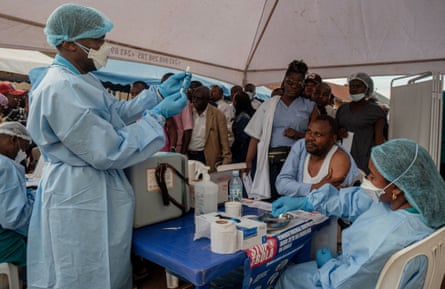
WHO estimates show that more than 24 million African adults currently live with diabetes, nearly half of whom are undiagnosed. Health officials warn that many people only discover their condition when complications—such as kidney failure, blindness or nerve damage—have already set in.
Janabi said the rise of diabetes highlights the urgent need for African health systems to transition from emergency-focused responses to long-term management of chronic diseases, which requires early detection, treatment, follow-up and patient education.
“Health systems must be organised to deliver continuous care, from prevention and early diagnosis to effective treatment and lifelong support,” he noted.
He recalled that African Member States endorsed the Framework for the Implementation of the Global Diabetes Compact in 2024, which commits countries to improving screening, treatment and access to essential medicines such as insulin. Countries like Ghana and Uganda have begun incorporating diabetes and cardiovascular disease services into primary healthcare.
Janabi explained that diabetes affects individuals across different stages of life and therefore requires tailored interventions. Children, he said, need early diagnosis; women require careful management before and during pregnancy; working-age adults need accessible care and workplace support; and older adults need long-term services to prevent complications.
He also urged African governments to strengthen national policies that promote healthy diets, physical activity and reduced consumption of harmful foods. Strengthening financing for noncommunicable disease care, improving supply chains for medication, and integrating diabetes care into national primary healthcare plans are also essential, he said.
“Above all, we must guarantee access to affordable medicines such as insulin, essential technologies and the tools people need to manage their condition with dignity,” Janabi emphasised.
He noted that WHO’s Package of Essential Noncommunicable Disease Interventions is now implemented in 31 African countries, while the PEN-Plus programme, which provides advanced care for severe chronic diseases, is active in 20 countries.
He added that sustainable financing, stronger referral systems and reliable data would remain central to progress.
“On this World Diabetes Day, let us reaffirm our determination to deliver effective care and lasting support at every stage of life, so that every person with diabetes can live a healthy, dignified and fulfilling life,” he said.
The WHO warns that unless African countries act decisively, diabetes could become one of the continent’s most devastating long-term public health crises.