





By Comrade Najeeb Nasir Ibrahim
In democratic governance, resignation from public office is often viewed as an act that can either preserve a leader’s honour or expose deeper political realities.
Around the world, public officials sometimes step aside in order to protect the integrity of their office, calm political tensions, or accept responsibility for challenges that arise during their tenure.
Such resignations are usually accompanied by humility, accountability and a genuine commitment to the stability of government.
However, not every resignation can be described as honourable.
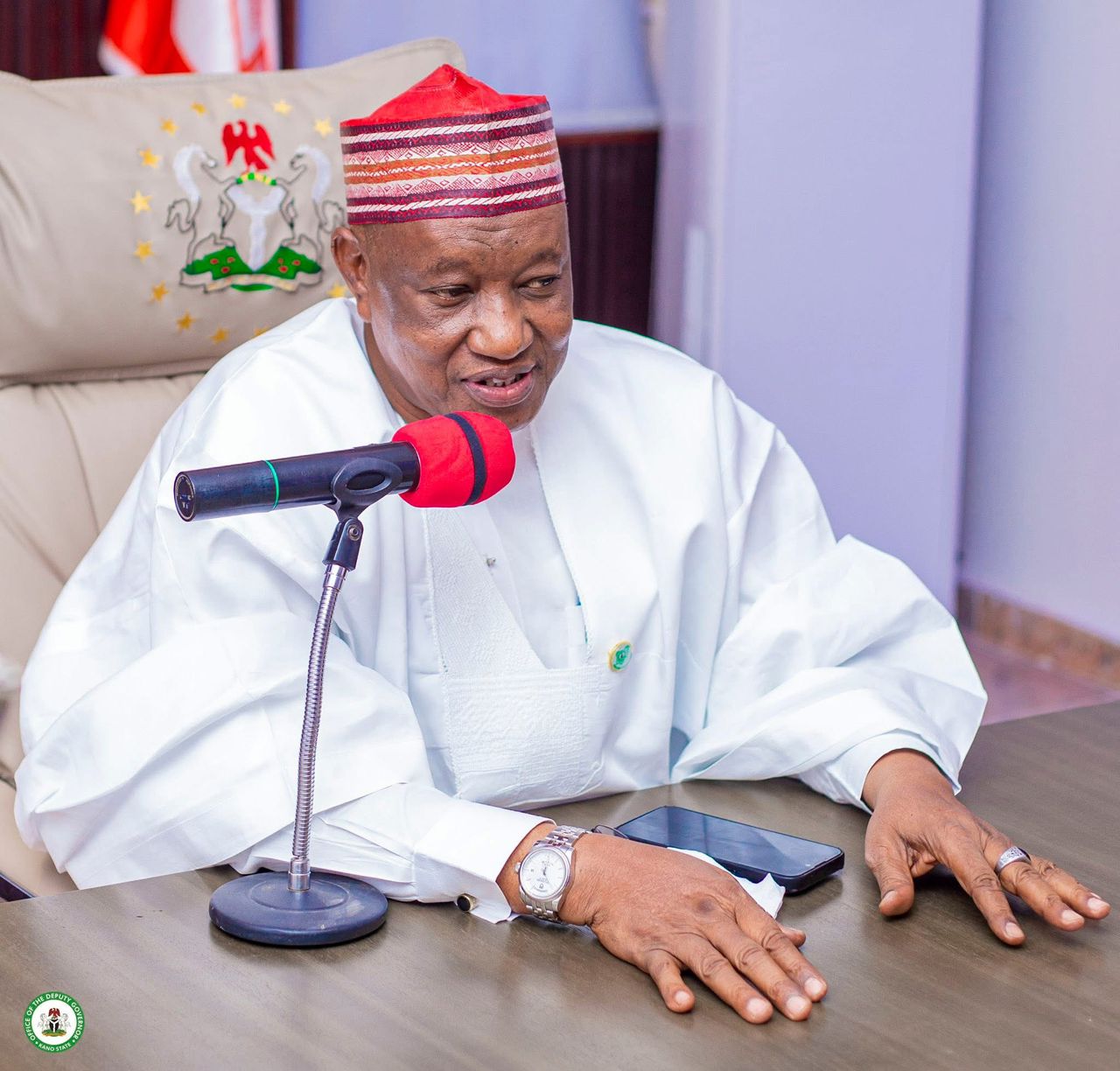
The recent resignation of Kano State’s Deputy Governor, Comrade Aminu Abdussalam Gwarzo, has generated intense debate within political circles and among the wider public.
While the official narrative presented the resignation as a personal decision influenced by governance constraints and political tensions, a closer examination of the circumstances suggests that the departure was less about honour and more about the consequences of prolonged political confrontation.
For weeks prior to the resignation, the political atmosphere in the state had been dominated by an escalating dispute between the deputy governor and the state House of Assembly.
The conflict drew significant public attention and gradually shifted focus away from the core responsibilities of governance.
In any responsible administration, such prolonged tension between key arms of government is a signal that something has gone fundamentally wrong.
An honourable resignation typically comes early—before tensions reach a breaking point and before the machinery of government becomes distracted by internal battles.
In contrast, the events that unfolded in the state suggested a situation where political disagreements had already deepened to a level that threatened institutional stability.
Rather than calming the political environment, the prolonged standoff amplified divisions within the political landscape.
Public discourse increasingly revolved around accusations, counter-accusations and institutional friction.
By the time the resignation eventually came, the damage to political cohesion had already been done.
This is why many observers argue that the resignation cannot be framed purely as an act of honour.
Instead, it appeared to be the inevitable conclusion of a political crisis that had already reached its peak.
Leadership demands not only courage but also foresight.
A leader who recognizes that their continued presence in office is becoming a source of instability should act swiftly to safeguard the system they serve.
Waiting until circumstances become unavoidable diminishes the moral weight that a resignation might otherwise carry.
It is also important to recognize the broader implications for governance in the state.
The people of the state elected their leaders with the expectation that public officials would prioritize development, stability and service delivery.
When political disagreements dominate the public space, governance risks being overshadowed by internal struggles.
The situation therefore serves as an important lesson for political actors.
Public office is a trust bestowed by the people and maintaining the dignity of that trust requires restraint, responsibility and a constant awareness of the larger public interest.
As Kano moves forward from this episode, the focus must now return to governance and stability.
The government must seize this opportunity to restore unity within its ranks and redirect its energy toward the pressing needs of the people.
Ultimately, history will judge whether this moment represented a turning point toward stronger political maturity in the state.
What remains clear, however, is that true honour in leadership lies not merely in stepping down, but in knowing when and how to do so for the greater good.
Comrade Ibrahim, who resides in Kano, writes on governance, politics and contemporary national issues.


