


From Umar Danladi Ado
A gathering of media practitioners from the Northwest region, convened in Kano, has underscored the importance of protecting children’s rights and dignity in reporting.
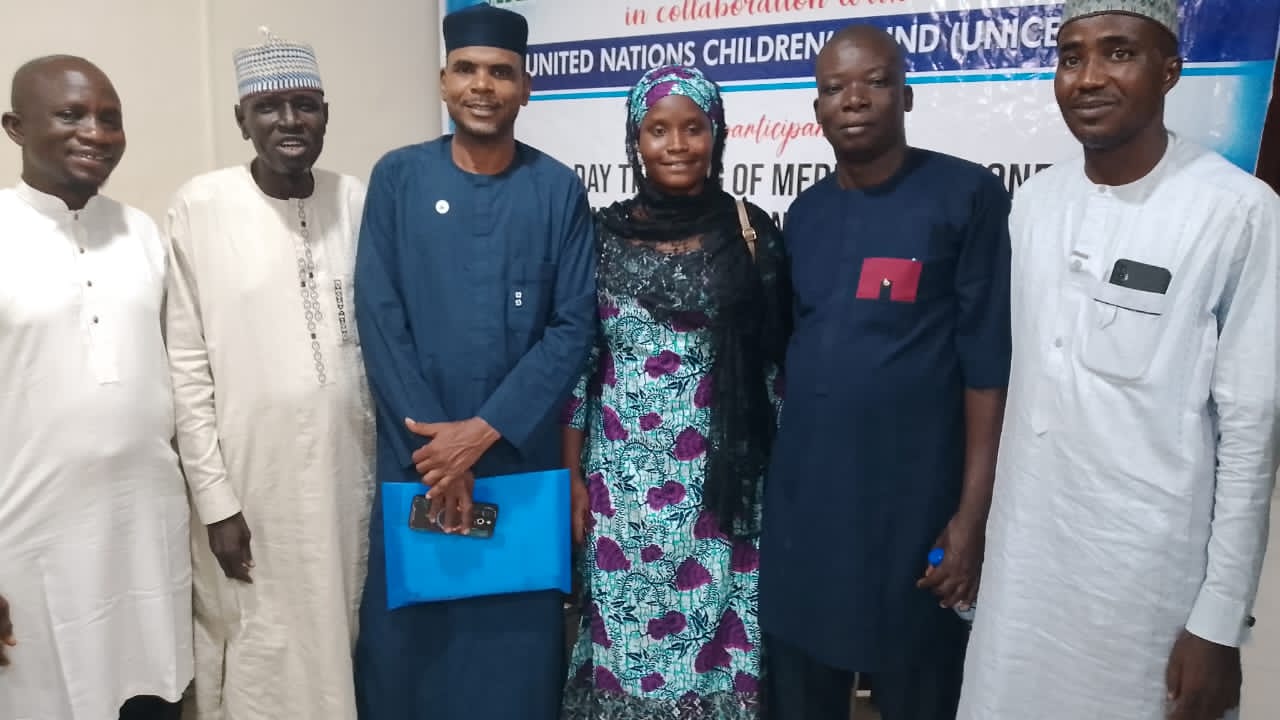
The two-day training, organized by the Child Rights Information Bureau (CRIB) of the Federal Ministry of Information and National Orientation in collaboration with UNICEF, aimed to equip journalists with the skills to report on child rights issues responsibly.
The training sought to achieve several objectives, including understanding the legal and ethical frameworks governing child reporting in Nigeria.
It further Identifying and mitigating risks associated with reporting on children and applying best practices in interviewing children,handling sensitive information and recognizing and reporting on critical child rights issues, such as child abuse and exploitation.
Keynote speaker Mr. Rahama Rihood Mohammed Farah, Chief of the UNICEF Field Office in Kano State, emphasized the need for careful reporting to avoid causing further harm to children.
He highlighted the dangers of sensationalist reporting, exploitative interviews, and identification of survivors.
Other experts, including Dr. Jide Johnson, Mr. Lekan Sote, Nansel Nimyel, and Susan Akila, provided valuable insights on child psychology, language, and framing, as well as the challenges of broadcast and digital media.
Samuel Kaalu, a UNICEF Communication Specialist, highlighted the significance of responsible reporting in shaping public perception and driving policy change.
During a presentation, he reminded participants that accurate and sensitive reporting is a form of advocacy that can have a profound impact on children’s lives.
The two-day training workshop had a profound impact on participants, inspiring them to take action in protecting children’s rights.
Accordingly,key takeaways from the workshop included the importance of:relentless fact-checking, even under deadline pressure and prioritizing the best interests of the child.
Balancing stories with multiple perspectives and holding oneself and colleagues accountable in the newsroom.
Many participants left the workshop feeling empowered and convinced that the narrative of Northwest Nigeria, and indeed the nation, should highlight not only hardship but also resilience, hope, and community strength.
By protecting children, journalists can play a crucial role in telling this story and promoting a more nuanced understanding of the region and its people.