





Christiana Gokyo Jos
The Executive Director of Sentinel Oasis for Love and Care Initiative (SOLCI), Haroun Harry Audu, has said that the future of communities, states, and the nation will be determined by the quality of leadership emerging from today’s young people.
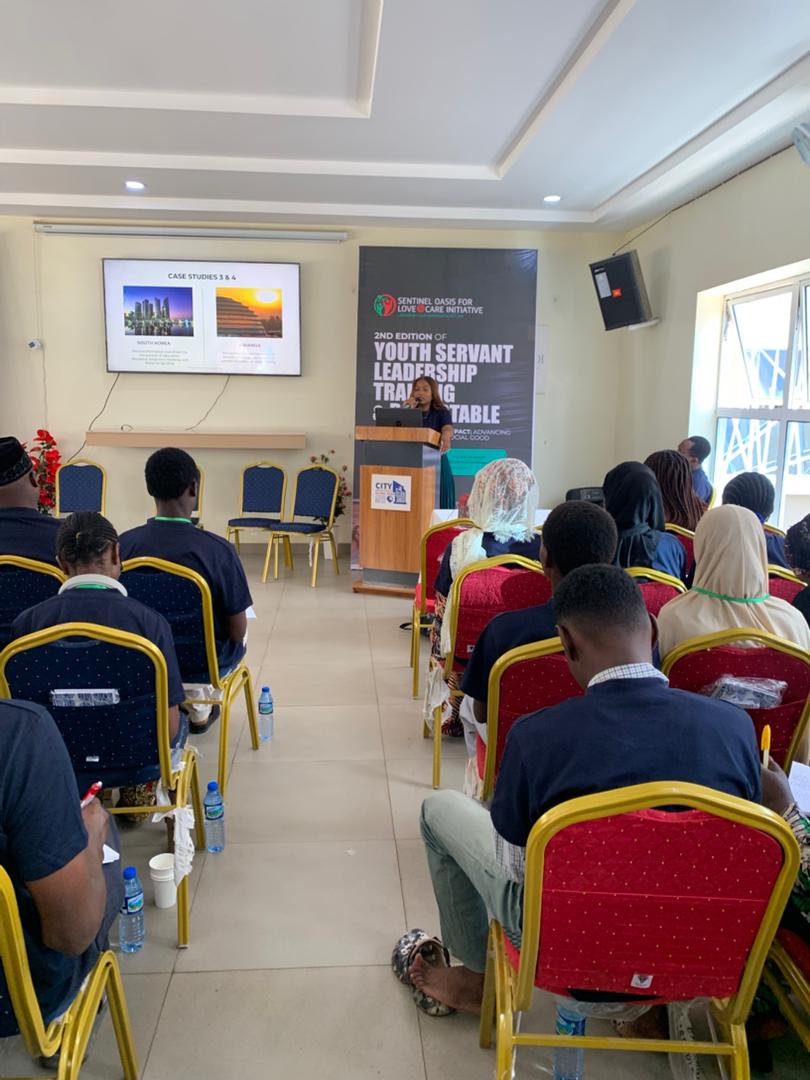
He stated this on Thursday during the 2nd Edition of the SOLCI Youth Servant Leadership Training and Roundtable held at Gidan Bege, Jos, with the theme: “From Voice to Impact: Advancing Youth Influence for Social Good.”
According to him, Nigeria is currently at a critical moment in its history, noting that recent United Nations population estimates place the country’s median age at about 18 years, making it one of the youngest nations in the world.
He said more than 60 percent of Nigeria’s population are young people, stressing that the country’s greatest resource is not oil, tin, gold, or other minerals, but its youthful population found in classrooms, worship centres, businesses, streets, and communities across the country.
“History teaches us that a youthful population can either become a demographic dividend or a demographic disaster.
“What makes the difference is leadership, character, and the decision of young people to become problem-solvers rather than passive observers,” he said.
Audu added that meaningful leadership begins when young people shift focus from asking what government or society should do to what they themselves can do to solve problems in their communities.
He described the theme of the programme as timely, noting that although social media has given young people more platforms to express themselves, “societies are not transformed by opinions alone, but by actions, initiatives, and service.”
He further explained that SOLCI was founded on the belief that leadership is not about position or power, but responsibility and service.
He referenced the first cohort of trained “Sentinels” in 2025, who translated their learning into action through a community clean-up initiative, describing it as a demonstration of servant leadership.
Audu urged participants not to leave the programme only inspired, but transformed and committed to solving at least one problem in their communities.
“Imagine if each young person here commits to improving the lives of 100 others within five years.
“That is how social transformation begins through consistent service and commitment,” he added.
He said SOLCI envisions a growing movement of servant leaders across Plateau State and beyond, producing young people known for excellence, hope, and sacrificial service rather than entitlement or cynicism.
In her keynote address, Miss Keren Rachael Danjan, Secretary of the Board of Trustees, SOLCI, and Senior Legislative Assistant to the Speaker of the House of Representatives, urged participants to choose the kind of citizens and Nigerians they want to become.
She stressed that nations are not built by accident but through the collective values, choices, and actions of citizens, adding that personal responsibility is key to national transformation.
Danjan highlighted the importance of compassion, honesty, and excellence, noting that meaningful change requires both individual and collective effort.
She also emphasized the power of social media and innovation, stating that young people now have unprecedented access to platforms that can influence millions, and that such influence must be directed toward positive impact rather than complaints.
According to her, patriotism should be understood on three levels: emotional attachment to the country, ethical responsibility to do what is right, and transformational contribution through the use of skills and resources to improve society.
She encouraged participants to move from criticism to contribution, from complaints to solutions, and from ideas to action.
Danjan further noted that leadership does not require a public platform or recognition, but consistent personal actions that contribute to nation-building.
She concluded by encouraging young people to embrace innovation, take positive risks, and remain committed to building a better society through responsibility and service.


