


By Rabiu Sanusi
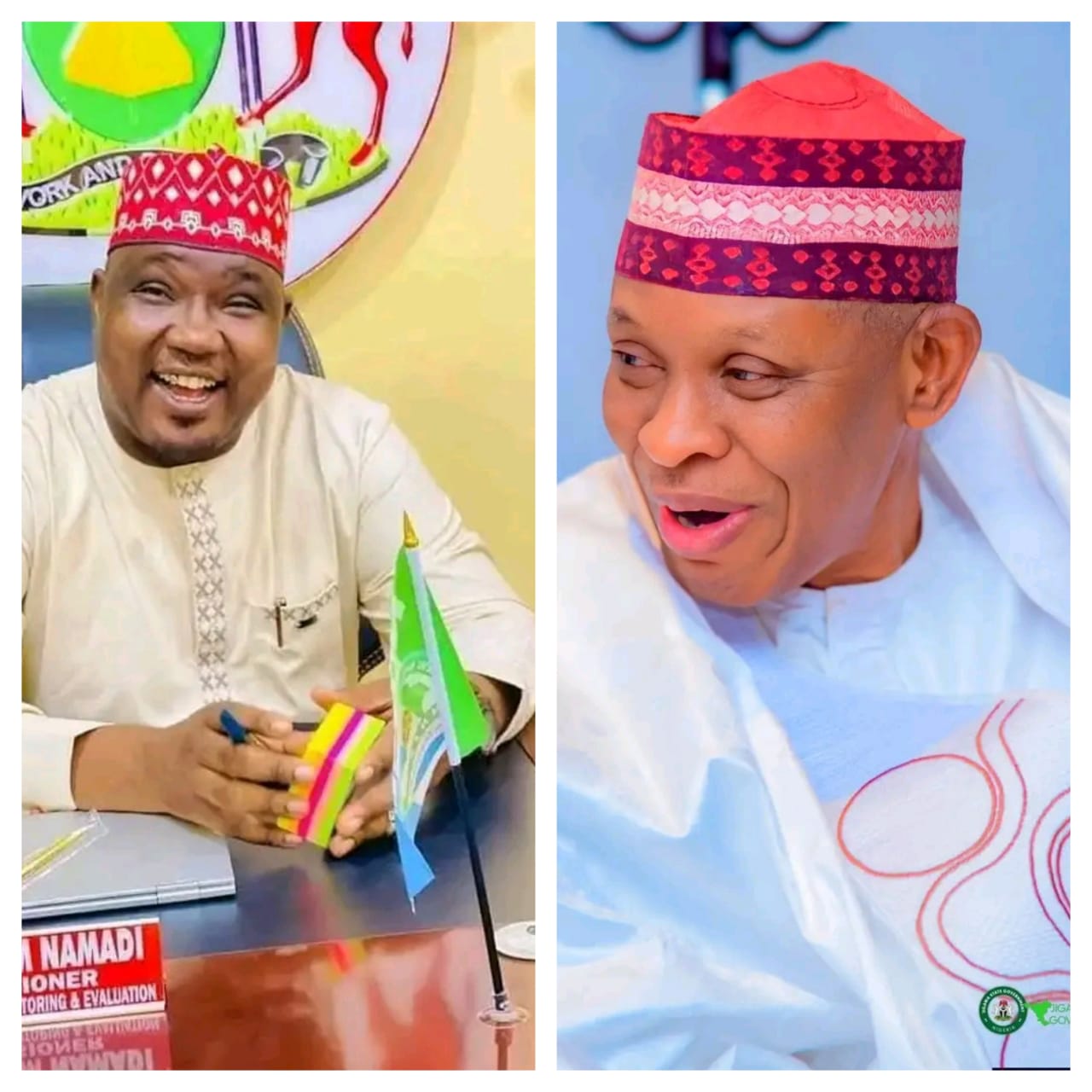
Former Kano State Commissioner for Transportation and former Commissioner for Project Monitoring and Evaluation, Hon. Ibrahim Ali Namadi Dala, has described the administration of Abba Kabir Yusuf as one of the most impactful in the recent history of Kano State, citing significant achievements across key sectors of governance.
Speaking during an interview with Government House journalists, Namadi Dala said Governor Yusuf has fulfilled a substantial portion of the promises made to the people of Kano, resulting in visible development projects and improved public services throughout the state.
According to him, the administration has recorded remarkable progress in the education sector through the rehabilitation of schools, provision of learning materials, payment of students’ scholarships, and investments in human capital development.
He added that the healthcare sector has also witnessed significant improvements through the renovation and upgrading of hospitals, procurement of medical equipment, and expansion of access to quality healthcare services for residents.
Namadi Dala further highlighted achievements in road construction, transportation, water supply, rural development, youth empowerment, and social welfare programmes, describing them as clear evidence of the government’s commitment to improving the living standards of the people.
The former commissioner disclosed that while serving as Commissioner for Project Monitoring and Evaluation, his ministry monitored more than 2,000 projects executed by the administration across various parts of Kano State.
“The scale of projects undertaken by the government demonstrates Governor Yusuf’s determination to ensure that development reaches every community, regardless of location,” he said.
He maintained that Governor Yusuf’s people-oriented policies and projects have transformed the state and positively impacted the lives of ordinary citizens.
“Governor Abba Kabir Yusuf has changed the face of Kano through people-centred projects and policies. The administration has touched virtually every sector, and the impact is being felt by citizens across the state,” he stated.
Namadi Dala particularly commended the governor’s commitment to infrastructure development, noting that several ongoing projects would continue to strengthen Kano’s economy and reinforce its position as the commercial hub of Northern Nigeria.
He expressed optimism that if the current pace of development is sustained, Kano could emerge as one of the most modern and economically vibrant cities in Africa.
“Kano is witnessing a level of transformation that is attracting attention from across the country. With the projects currently being executed and those already completed, the future of the state is very bright,” he added.
Speaking on politics, Namadi Dala said the All Progressives Congress (APC) remains firmly rooted among the people of Kano due to its longstanding relationship with the grassroots and its record of service.
He explained that the party’s strength lies in its ability to maintain direct engagement with citizens and respond to their needs and aspirations.
Drawing from his experience as a grassroots mobiliser and former campaign director, Namadi Dala said the APC continues to enjoy overwhelming support across the state.
“The bond between the APC and the people of Kano is strong. We have built that relationship over many years through service, sacrifice, and grassroots engagement. The support we receive from the people is encouraging and reassuring,” he said.
The former commissioner pledged to continue contributing his experience, political network, and leadership capacity toward strengthening the party and supporting initiatives aimed at promoting peace, unity, and development in Kano State.
He also called on residents to continue supporting Governor Yusuf’s administration and its ongoing development programmes, expressing confidence that greater achievements would be recorded in the years ahead.
Namadi Dala concluded by describing Kano as a state with enormous potential, noting that with visionary leadership, political stability, and sustained investment in development, it would continue to maintain its position as a leading centre of commerce, education, and culture in Nigeria.