


By Ahmad Ado Muhammad
In conversations about Nigeria’s development priorities, sectors such as oil, agriculture, and technology often take centre stage. While these remain essential, there is a growing opportunity to derive more value from another important national asset, heritage services.
Heritage services, covering museums, historic sites, cultural festivals, and traditional industries offer practical ways to support economic growth, strengthen social cohesion, and preserve identity.
In a culturally diverse country like Nigeria, these resources provide a strong foundation that can complement ongoing development efforts.
Across many communities, cultural practices and traditional skills continue to play a meaningful role in local economies.
With the right level of support and coordination, these activities can contribute even more to job creation, small enterprise development, and cultural tourism.
This presents an opportunity to broaden the country’s economic base in a way that is both inclusive and sustainable.
The relevance of heritage services is closely aligned with the Sustainable Development Goals (SDGs) of the United Nations, particularly in areas such as sustainable cities, decent work, and inclusive growth.
Integrating heritage more deliberately into development planning can therefore enhance the effectiveness of existing policies and programmes.
Beyond economic contributions, heritage plays a vital role in shaping identity and promoting unity.
Cultural institutions such as museums and heritage sites provide spaces where people can engage with history and shared values.
Strengthening these institutions can help deepen national consciousness and foster a stronger sense of belonging, especially among younger generations.
As urban centres continue to expand, there is also an opportunity to adopt approaches that balance development with cultural preservation.
Careful planning can ensure that modernisation efforts incorporate heritage assets, allowing cities to grow while maintaining their unique character and historical significance.
In addition, indigenous knowledge systems embedded in cultural heritage offer practical insights into sustainable living.
Many traditional practices emphasise resource efficiency and environmental balance, which can complement modern strategies in addressing current environmental challenges.
Building on the progress already made, further attention to heritage services could yield even greater benefits.
Strengthening institutional support, improving documentation, and encouraging partnerships between government, communities, and the private sector will be important steps in this direction.
Investment in cultural tourism and heritage-based enterprises can also unlock new opportunities for growth.
As Nigeria continues its efforts toward achieving the SDGs outlined by the United Nations, heritage services present a practical and inclusive pathway forward.
By giving this sector increased visibility and support, Nigeria can build on its cultural strengths to advance sustainable development in a way that is both meaningful and enduring.
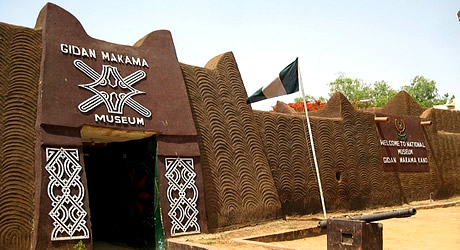
Ado Muhammad writes from Kano, National Museum, Gidan Makama, Kano