


By Musa Muhammad Kutama, Calabar
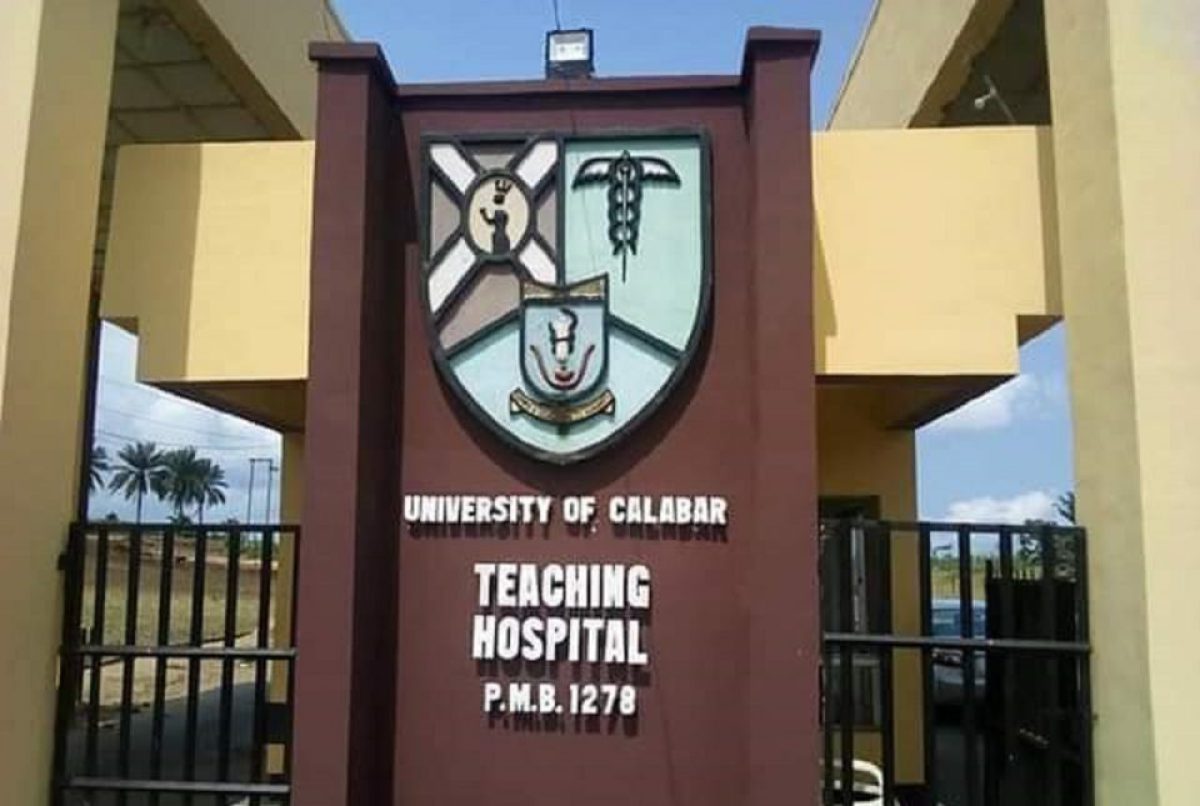
The University of Calabar Teaching Hospital has commenced extensive transformation and expansion of its healthcare facilities and infrastructure through major renovation and modernization projects aimed at strengthening tertiary healthcare delivery in Cross River State and neighbouring countries, including Cameroon and Equatorial Guinea.
The Chief Medical Director of the hospital, Professor Ikpeme Ikpeme, disclosed this during an inspection tour of ongoing projects with journalists in Calabar.
Professor Ikpeme explained that many of the projects were executed through Federal Government intervention programmes aimed at improving the hospital’s growing medical capacity and service delivery.
According to him, the hospital currently operates 62 clinical and non-clinical departments, with between 30 and 38 wards and clinics already renovated through complete remodelling and major facelift projects.
He noted that most of the wards previously fell below acceptable standards for patient care before the renovations.
“Suffice it to say that they were not good for human habitation. But if you walk into those wards now, you will feel like it is a place where you can stay,” he said.
The CMD explained that the hospital management redesigned the wards in line with global nursing standards, with each ward bay accommodating a manageable number of patients to enhance effective healthcare delivery.
Professor Ikpeme further disclosed that UCTH currently has an 850-bed capacity but continues to face increasing pressure due to the growing population it serves across Cross River State, neighbouring states, and referrals from Cameroon, Equatorial Guinea, and parts of Central Africa.
“We are the only tertiary hospital serving almost five million people in Cross River State and we also receive patients from neighbouring states and neighbouring countries,” he said.
On emergency healthcare services, the CMD revealed that the hospital is constructing a new Department of Emergency Medicine with a 406-bed capacity.
He said the facility would contain trauma bays, medical and surgical emergency units, male and female wards, children’s emergency wards, neonatal intensive care units, intensive care facilities, and fully equipped trauma theatres.
Professor Ikpeme credited the Federal Government for supporting the hospital through critical intervention projects, especially in the area of power supply.
He disclosed that UCTH is among beneficiaries of the seven-megawatt captive solar power plant facilitated through the Rural Electrification Agency, serving both the University of Calabar and the teaching hospital.
According to him, the intervention has significantly reduced the burden of energy challenges despite rising operational costs.
“Cost of energy is very high, but through the intervention of the Federal Government and the Rural Electrification Agency, we now benefit from a seven-megawatt captive solar power plant,” he said.
He added that the hospital still combines public electricity supply with generators to maintain stable power for medical services.
The CMD also highlighted several specialised medical procedures currently being carried out at UCTH, stressing that the institution now competes favourably with top tertiary hospitals in the country.
According to him, the hospital now performs hip and knee replacement surgeries, sports medicine procedures, minimally invasive keyhole surgeries, neurosurgical operations including brain tumour surgeries, urological procedures, and advanced radiological interventions.
“We can remove a diseased appendix and discharge the patient the next day because we now do minimal access surgery. We can carry out brain tumour surgeries and many advanced procedures people think can only be done outside the state,” he stated.
Professor Ikpeme appealed for increased support from individuals, organisations, and government agencies to enable the hospital expand infrastructure and procure modern medical equipment.
He disclosed that the new emergency complex alone would require about 26 specialised incubators for neonatal intensive care services.
“There is nothing wrong with individuals, state governments and organisations supporting us with infrastructure, equipment and funding because the needs are enormous,” he added.
On concerns over workers’ attitude towards patients, the CMD said the hospital operates a strict reward and disciplinary system to ensure professionalism and accountability among staff.
He explained that patients and their relatives could directly report cases of negligence or misconduct through publicly displayed complaint channels, including direct access to his phone number.
“We operate a system of reward and punishment. When people do well, we commend them. When they fail professionally, we investigate and discipline them appropriately,” he said.